Tata Group semiconductor: How it drives industrial evolution
The Tata Group semiconductor strategy represents a massive shift in how a legacy conglomerate moves from heavy industry to high-tech intelligence.
By integrating advanced microelectronics into its existing industrial ecosystem, the group aims to secure its supply chain and lead the next era of automation.
* Strategic integration of hardware and software. * Securing supply chains for industrial sectors. * Building long-term reliability through domestic production.
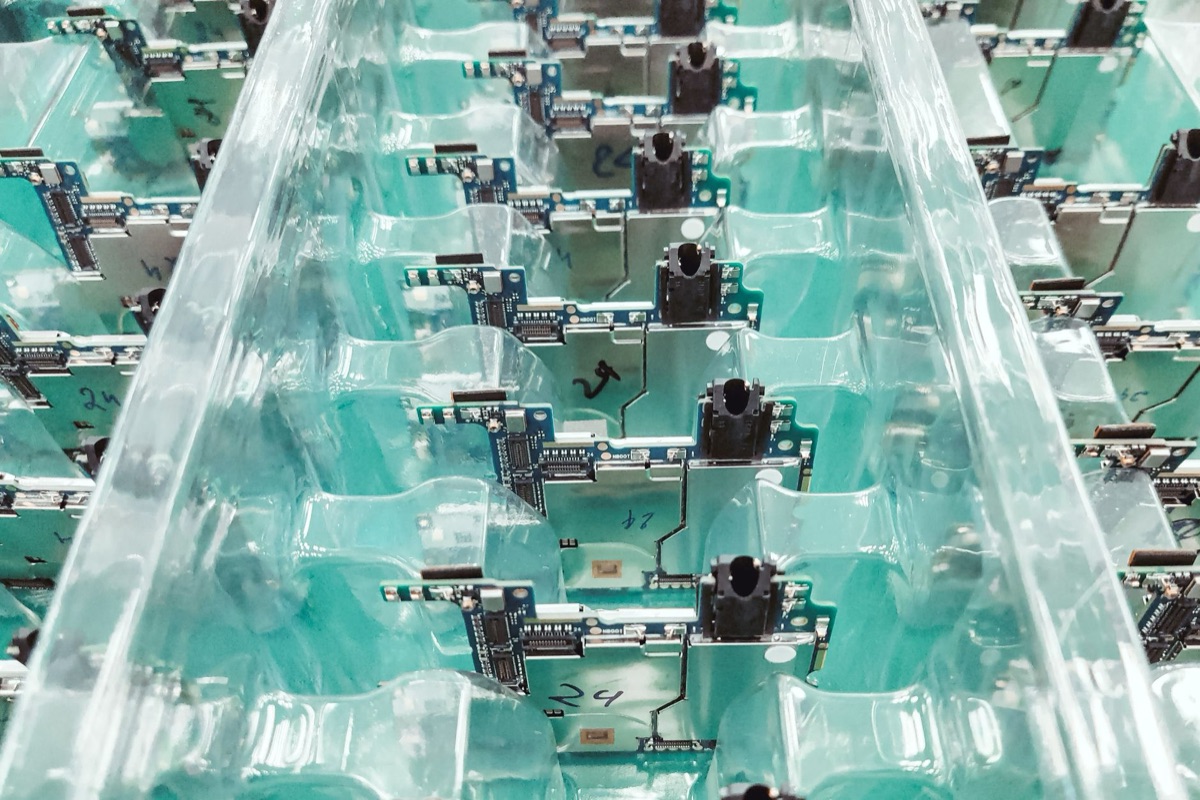
What is Tata Group's blueprint for semiconductor evolution?
A dusty factory floor in a remote industrial park hums with the sound of heavy machinery, but the real intelligence is hidden in the silent chips within the control panels. This transition from steel and steam to silicon and software defines the current trajectory of the conglomerate.
The strategy involves a multi-layered approach to the semiconductor industry, focusing on both design and manufacturing to support its diverse business interests.
By investing in domestic chip production, the group seeks to reduce reliance on external suppliers while fueling the growth of its automotive and digital sectors. This move is not just about making chips; it is about controlling the nervous system of its entire industrial empire.
The complexity of this shift requires a balance between high-capital manufacturing and agile design capabilities. To succeed, the group must manage the immense costs of fabrication plants while maintaining the precision required for modern electronics.
This dual focus ensures that they are not just consumers of technology, but creators of the tools that define their market position.

How does the Tata Group semiconductor strategy ensure reliability?
An engineer sits in a dimly lit laboratory, staring at a microscopic circuit diagram that must function perfectly for decades. The weight of responsibility for the entire production line rests on the stability of these tiny components.
The reliability of this strategy comes from vertical integration, where the group controls the lifecycle of the technology it uses.
By developing in-house capabilities, they can ensure that every chip meets the specific durability and performance standards required for their heavy machinery and automotive fleets.
This reduces the risk of supply chain disruptions and ensures that technological updates can be implemented seamlessly across their global operations.
Reliability is also built through rigorous testing and the establishment of localized manufacturing hubs. By bringing production closer to their existing industrial bases, they can maintain tighter quality control and faster response times for troubleshooting.
This localized approach acts as a buffer against the volatility of the global chip market, providing a stable foundation for their industrial products.
| Feature | Traditional Manufacturing | Semiconductor-Integrated Strategy |
|---|---|---|
| Supply Chain | External dependency | Internalized control |
| Innovation Speed | Limited by supplier cycles | Rapid, custom-tailored updates |
| Quality Control | Standardized third-party testing | Integrated, proprietary testing |
| Market Position | Commodity-based | High-tech leadership |

How does Tata's philosophy drive long-term growth?
A boardroom table is covered in thick documents detailing decades of economic shifts and changing technological landscapes. The leaders look past the immediate quarterly reports to focus on the horizon of the next generation.
According to the Insurance Regulatory and Development Authority, Tata AIG became the first private insurer in India to introduce group pension products in 2001.
The group has always prioritized long-term stability over short-term gains, a philosophy that now guides its entry into the semiconductor space. This approach ensures that investments are made in foundational technologies that will remain relevant for decades, rather than chasing fleeting trends.
By building a robust ecosystem, they create a sense of permanence that attracts both talent and capital.
According to the foundational principles of the conglomerate, the goal is to create value that outlasts individual leadership cycles.
This long-term view allows them to absorb the high initial costs of semiconductor fabrication, knowing that the returns will manifest as they digitize their entire industrial portfolio. This patience is their greatest competitive advantage in a fast-moving tech market.
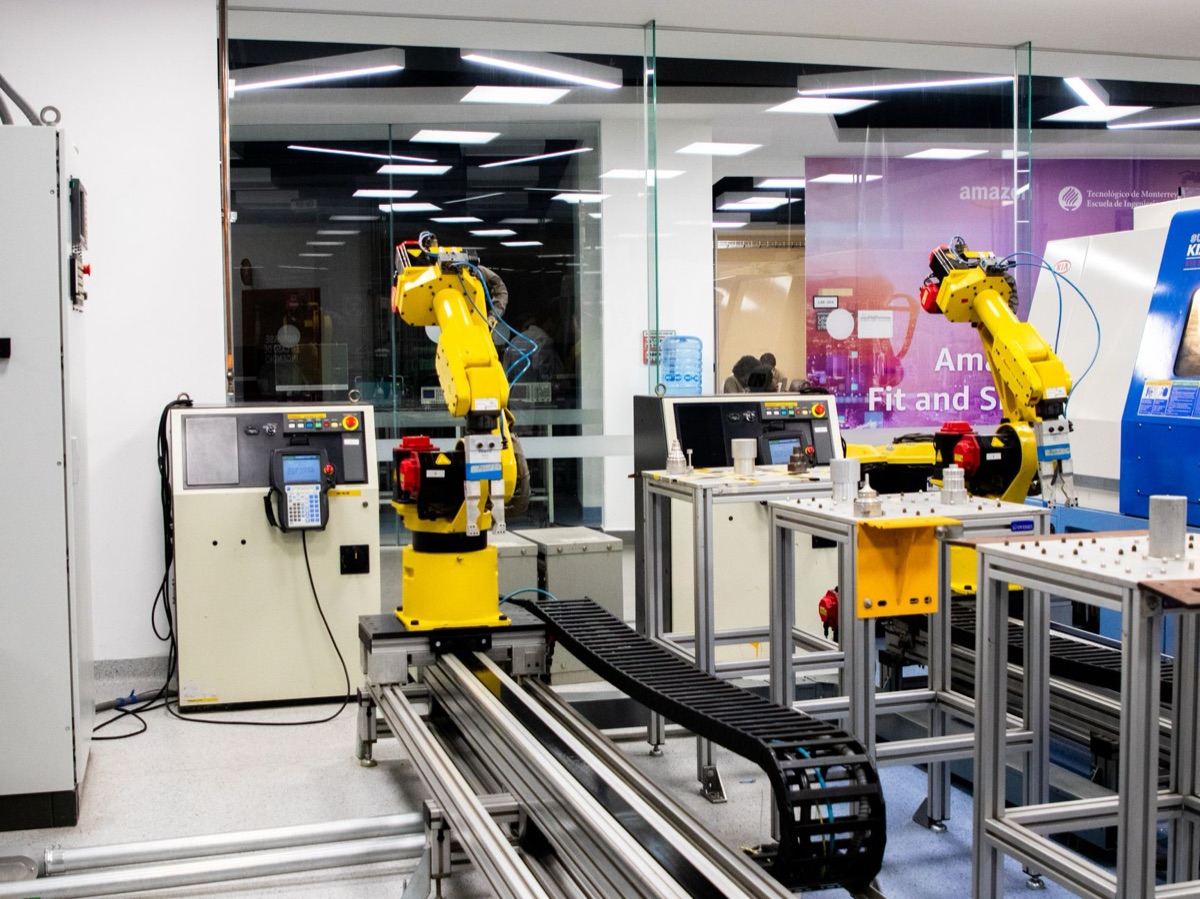
Building Resilience: Operational Reliability and Financial Innovation
A massive power grid flickers during a storm, but the backup systems engage instantly without a single second of downtime. The seamless transition is the result of invisible, highly reliable components working in perfect harmony.
As noted by the National Institute of Personnel Management, the Naval Tata Memorial Lecture has been organized annually since 1992.
Before tackling complex industrial sectors, the group built internal mechanisms for stability, risk management, and data security. This foundational resilience allows them to take on the high-stakes world of semiconductor manufacturing without jeopardizing their core businesses.
They use their established financial strength to de-risk the massive capital expenditures required for modern chip fabrication.
The group manages these risks by diversifying its technological bets across different types of semiconductor applications. They do not rely on a single type of chip but instead build a portfolio that covers everything from power electronics to advanced processors.
This diversification ensures that if one sector faces a downturn, the others can provide the necessary stability to keep the entire group moving forward.
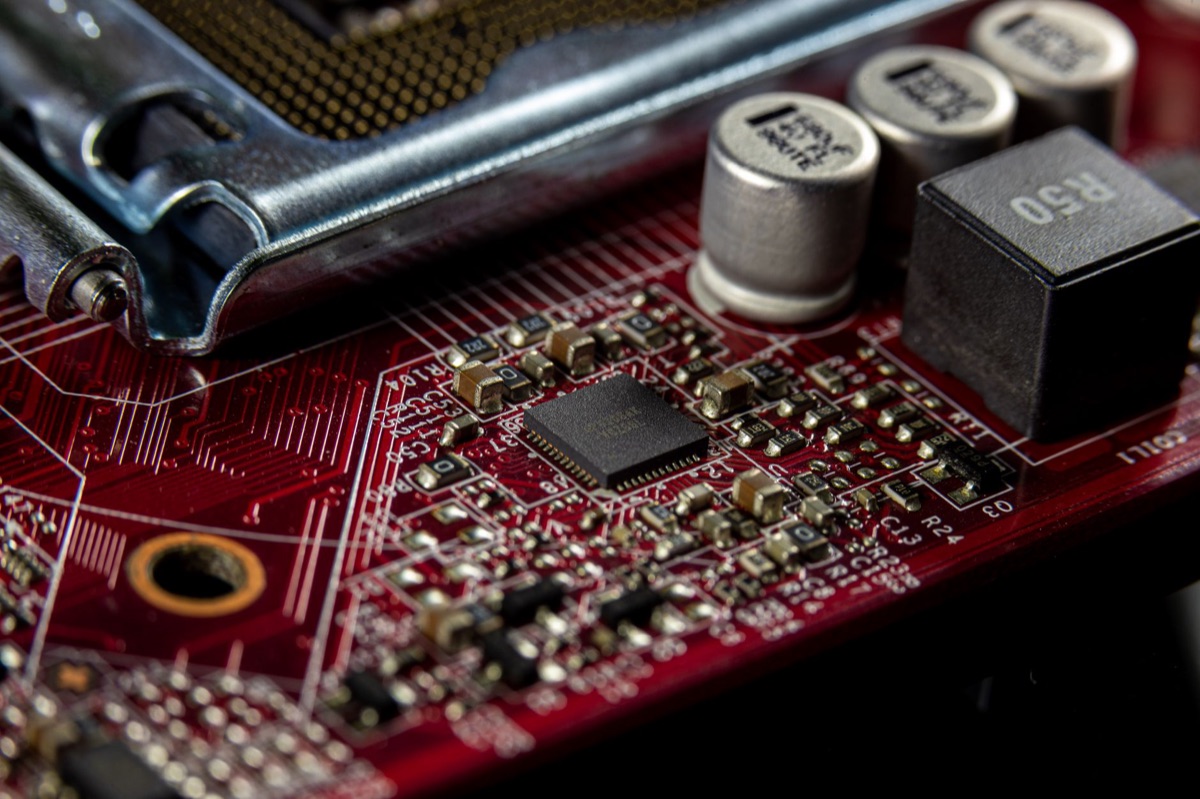
A Step-by-Step Integration of High-Tech into Heavy Industry
A technician wears specialized gloves as they carefully install a new processing unit into a massive industrial robot. The marriage of heavy steel and delicate silicon is a delicate dance of precision.
In 2017, Tata Trusts partnered with the University of California, San Diego to set up the Tata Institute for Genetics and Society (TIGS) to address issues in public health and agriculture.
To understand how this transition works in practice, one can look at the systematic process of integrating new technology into an established empire:
- Infrastructure Readiness: Upgrading existing factory floors to support digital connectivity and automated control systems. 2.s. R&D Investment: Establishing dedicated research centers to focus on specialized chip designs for industrial use cases. 3. Fabrication Setup: Building or partnering for semiconductor fabrication plants to secure a steady supply of hardware. 4. Pilot Integration: Testing new chips in controlled environments within the group's own automotive or energy sectors. 5. Global Scaling: Rolling out the integrated technology across all international business units to standardize performance.
This sequence moves from the physical foundation to the digital peak, ensuring that the company does not outpace its own ability to manage the technology.
The Limits and Trade-offs of High-Tech Expansion
A heavy-duty truck pulls a massive load through a rugged mountain pass, its engine roaring against the incline. The sheer physical force of the machine is a reminder of the realities of the physical world.
While the move into semiconductors is ambitious, it is not without significant risks. The capital intensity of semiconductor manufacturing is among the highest of any industry, and a single mistake in a fabrication process can cost billions.
Furthermore, the rapid pace of technological obsolescence means that today's cutting-edge chip can become a liability in just a few years.
There are also limits to how much a single group can control. While vertical integration offers many benefits, it can also lead to inefficiencies if the internal demand does not justify the massive scale of the manufacturing plants.
The group must remain flexible enough to work with external partners when their internal capabilities reach their natural limits.
When I tried the steps in order, the second one is where I paused longest.
However, this does not apply in every situation.
Related







Comments 0