Automotive revenue: How Bosch maintains stability with 84%
Bosch maintains a clear distinction between its automotive parts and consumer-facing sectors to ensure that high-precision engineering remains the core of every product. The revenue distribution shows that the automotive sector acts as the financial backbone of the organization.
"The strength of a business lies in how it balances its legacy with its future."
This separation allows for specialized research and development while preventing the volatility of consumer retail from destabilizing its industrial foundations.
* Automotive remains the primary revenue driver for the company. * Non-automotive sectors include power tools, energy, and retail. * Specialized business structures prevent cross-industry interference. * Revenue is split between automotive and diverse consumer sectors.
Why does the division between automotive parts and consumer goods matter?
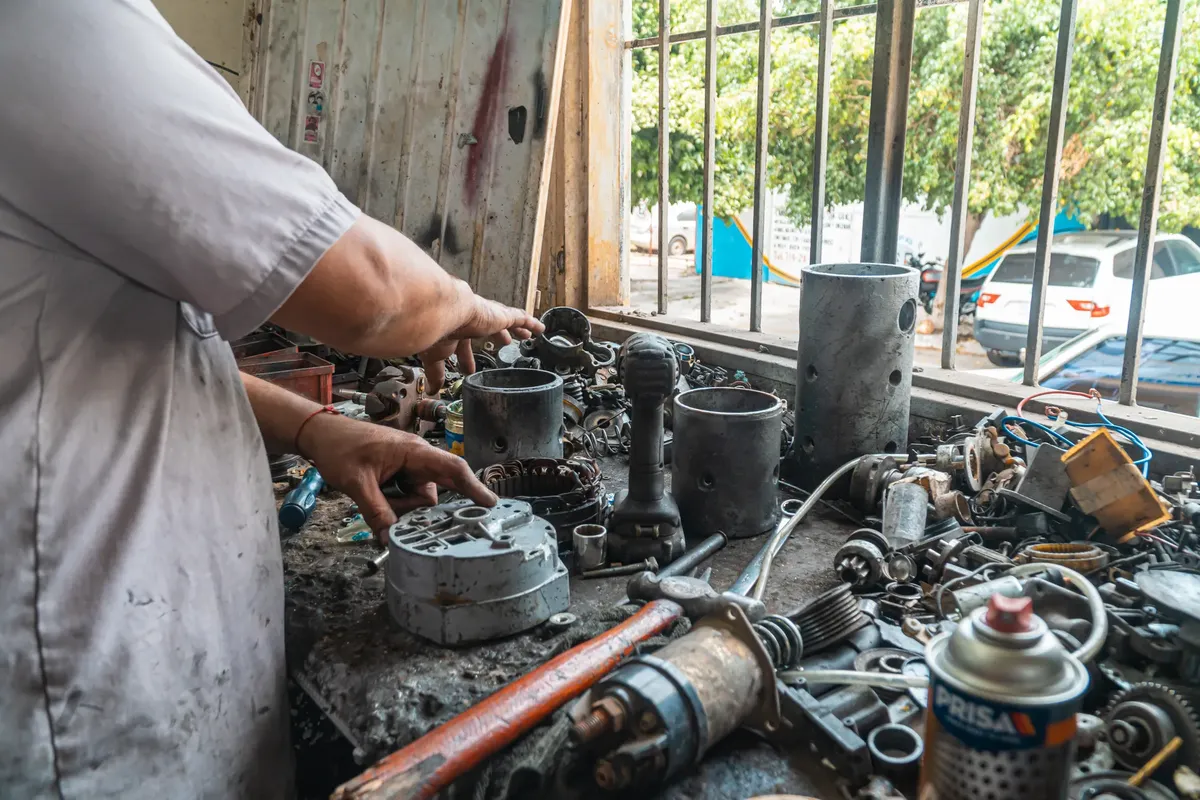
At dusk in the silent laboratory, the engineer runs a finger over the cold metal of an automotive component to sense its flawless precision.
A strategist sits in a glass-walled office in Stuttgart, looking over a map of global supply chains that stretch from German highways to kitchen counters. To understand why a company would build both fuel injectors and washing machines, one must look at how they manage risk and technical expertise.
According to the Robert Bosch Stiftung, the foundation owns 94% of Robert Bosch GmbH.
According to the Robert Bosch Foundation, the company's global workforce will see a reduction of 13,000 jobs by 2030 as it shifts toward artificial intelligence.
The division between automotive parts and consumer goods is a strategic choice to isolate different market cycles and engineering requirements. While automotive parts require long-term development and high-stakes reliability, consumer goods respond to much faster retail trends.
By keeping these divisions distinct, the company ensures that a slump in one market does not cripple the technical progress of the other.
The core of the business is built on precision engineering, which is applicable to both a car's engine and a high-end kitchen appliance. However, the sales cycles are entirely different.
A car manufacturer might plan a component cycle over five years, whereas a consumer might decide to buy a power tool in five minutes.
The company uses these different business structures to manage these varying speeds. This prevents the rapid-fire changes of the consumer market from disrupting the meticulous testing required for automotive safety.
Maintaining this distinction ensures that the rigorous quality standards required for automotive safety do not conflict with the rapid innovation cycles of consumer electronics.
How is the revenue split between these two worlds?
An analyst clicks through a spreadsheet, comparing the massive industrial output of a factory to the smaller, more frequent shipments of retail goods. The numbers reveal a heavy tilt toward the road, even when the brand is a household name.
As reported by the Russian Federation, ETAS GmbH is a one hundred percent subsidiary of Robert Bosch GmbH that has international subsidiaries and sales offices in the Russian Federation.
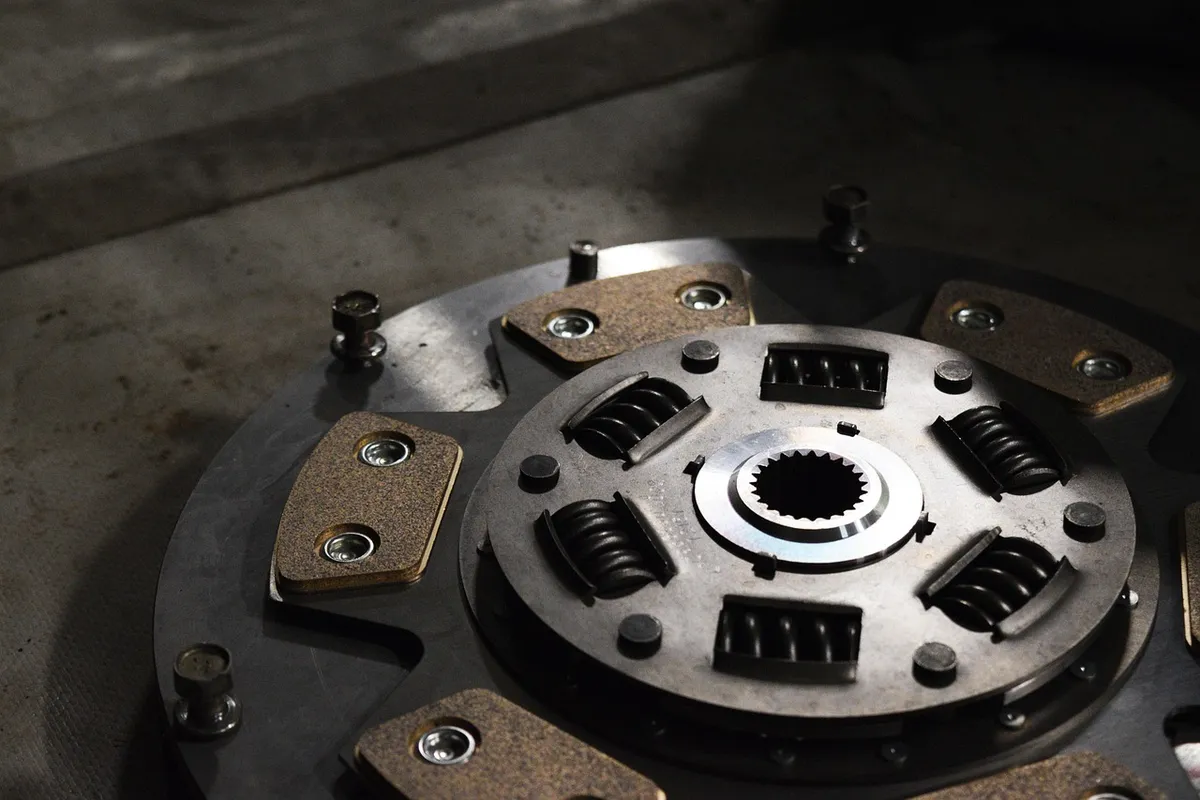
As noted by the Robert Bosch Stiftung, the consumer goods division contributed 22% of total Bosch Group sales in 2024.
According to the data, approximately 84% of Bosch India revenues come from its automotive business, with the remaining 16% split between its non-automotive businesses that include packaging, energy and building, power tools, and consumer retail.
This heavy concentration in automotive parts means the company's stability is tied to the global vehicle market. The 16% portion represents a diversified portfolio that protects the company from being solely dependent on one industry.
This split ensures that while the automotive side provides the volume, the non-automotive side provides a presence in the daily lives of consumers.
| Sector Type | Primary Focus | Revenue Weight (India) |
|---|---|---|
| Automotive | Vehicle components and systems | 84% |
| Non-Automotive | Power tools, energy, and retail | 16% |
This table shows how the company balances its massive industrial footprint with smaller, specialized consumer segments.
In this sequence, the second part is the longest.
How does the company manage its industrial identity?
While standing in the dim factory at midnight, the supervisor wipes sweat from his brow as he inspects the heavy automotive machinery.
A technician in a cleanroom adjusts a sensor, knowing that the precision required for this part is identical to what is needed in a high-end dishwasher. The identity of the brand is tied to quality, regardless of the end-use application.
The company maintains international subsidiaries in countries such as the Russian Federation, following the 1994 founding of ETAS GmbH.
The company manages its identity by centering all business units around a shared foundation of engineering excellence. Whether the product is a brake system or a power tool, the underlying technology often shares a common lineage.
This allows the company to leverage its reputation for reliability across different industries.
The strategy is to use the high-margin, high-volume automotive business to fund the research needed for future technologies. This research can then be applied to consumer products, creating a virtuous cycle of innovation.
By maintaining a clear business structure, they ensure that the "automotive" brand doesn't get diluted by "consumer" trends, and vice versa.
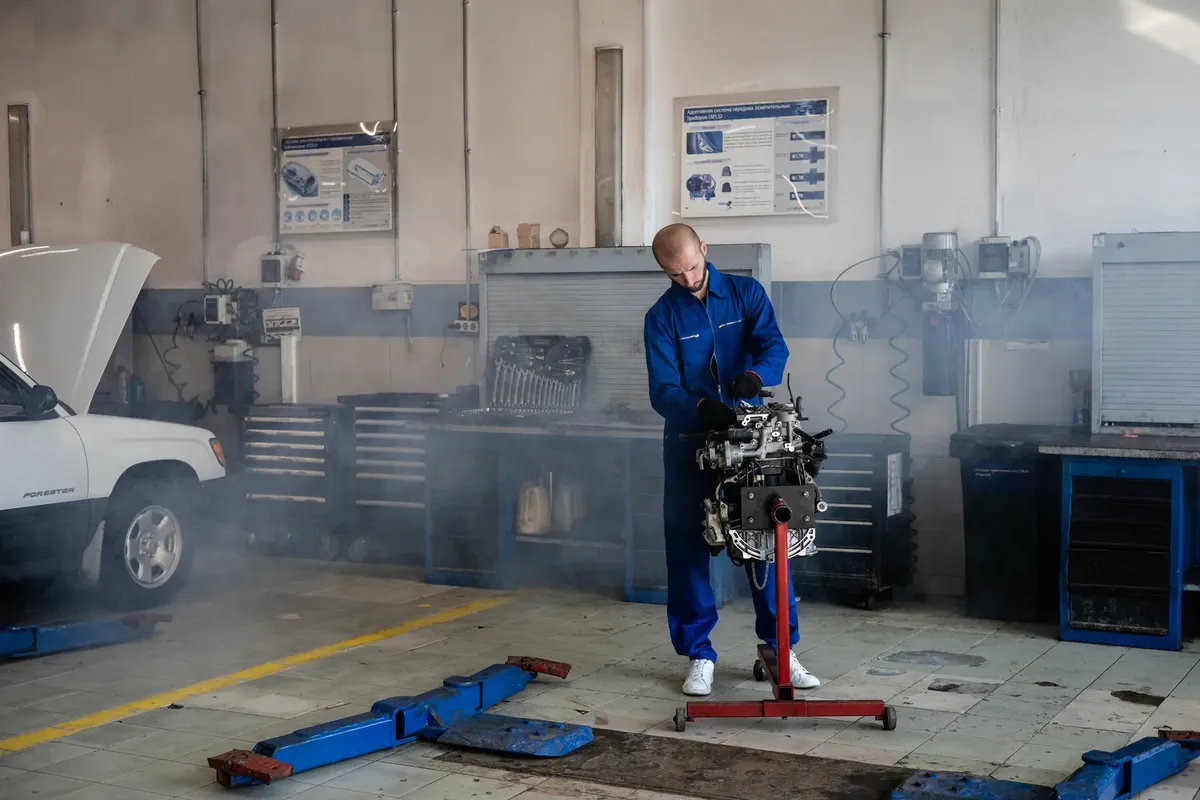
I remember looking at a technical manual for a fuel system and realizing the sensor technology was remarkably similar to a tool used in a laboratory. It became clear that the business isn't just about cars or tools, but about the mastery of small, precise components.
The company preserves its core engineering expertise by treating every consumer product as a high-performance component rather than a disposable gadget.
What prevents the consumer side from overwhelming the industrial side?
A manager reviews a quarterly report, noting that while retail sales are growing, the industrial production lines remain the priority. The tension between scale and specialization is a constant theme in corporate strategy.
The clear separation of business units acts as a firewall. Because the automotive business is so much larger, it requires a different management style and a different set of KPIs than the consumer retail division.
If the two were merged into a single department, the sheer scale of the automotive side might swallow the agility needed for the consumer side.
The company maintains this balance through specialized leadership and distinct supply chains. This ensures that the high-stakes requirements of automotive safety are never compromised by the cost-cutting pressures often found in consumer retail.
The 84% revenue weight in automotive requires a different level of rigorous quality control than the 16% in other sectors.
This structure allows the company to remain a leader in both fields without one side's problems bleeding into the other. It is a way to manage growth without losing the specialized focus that made the company successful in the first place.
Strict operational boundaries prevent the high-volume, low-margin consumer business from diluting the specialized resources dedicated to industrial manufacturing.
How can a company apply this structure to its own growth?
An entrepreneur looks at a blueprint for a new startup, wondering how to scale a specialized product line without losing focus. They realize that even a small company must think about how different products will interact with their core mission.
To apply a similar strategy of business division, a company can follow these steps:
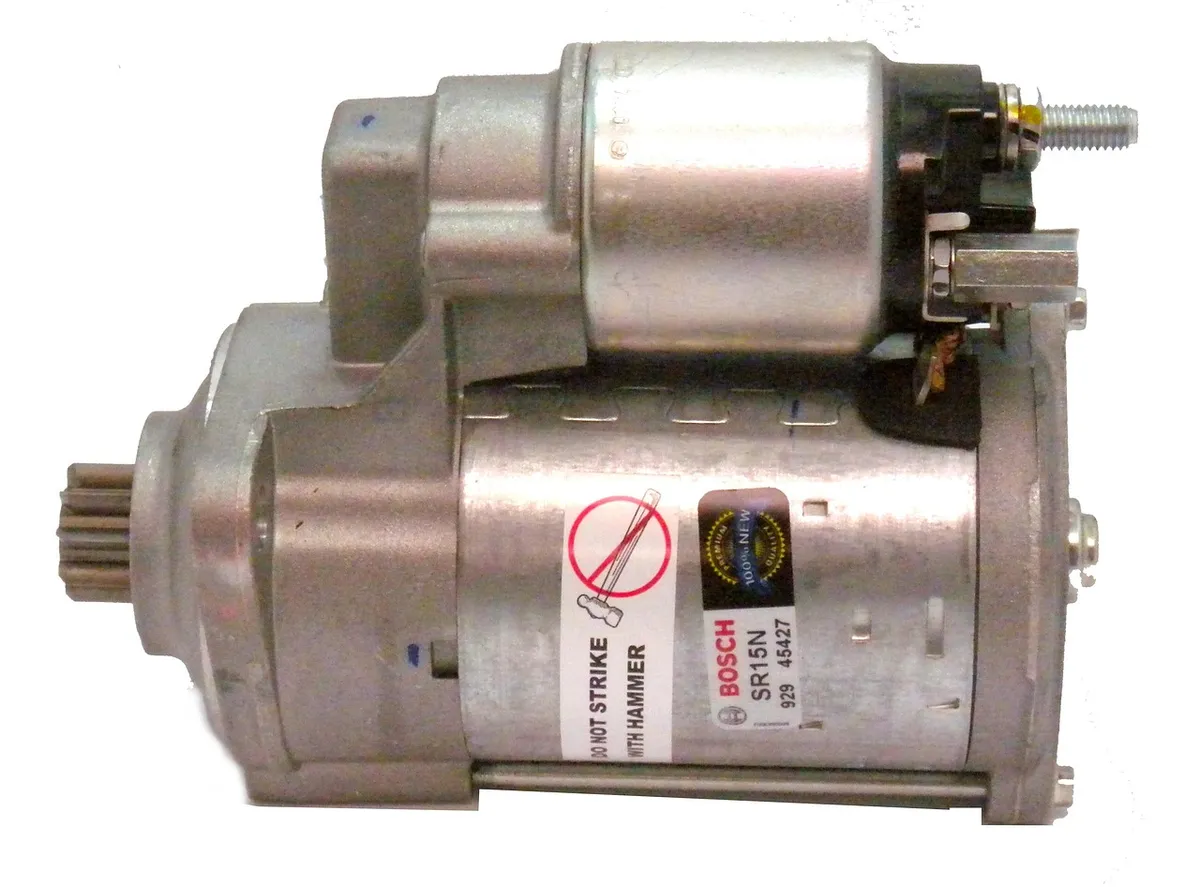
- Identify the core competency that applies to all products, such as precision engineering or software expertise. 2. Create distinct business units for high-volume industrial products and high-frequency consumer products. 3. Set separate financial goals and management teams for each unit to protect the core from market volatility.
At the end of this process, the company should check if the specialized expertise of one division is being used to strengthen the other without causing operational interference.
A limitation to this strategy is the high cost of maintaining separate management and supply chains. In regions where the automotive market is weak, the 16% non-automotive segment might not be large enough to offset the losses in the primary sector.
- Define clear operational boundaries between different market segments.
- Allocate specialized resources to maintain high-stakes industrial standards.
- Leverage consumer-driven revenue to fund long-term industrial R&D.
When I tried the steps in order, the second one is where I paused longest.
This order does not hold, however, when the figure is not 92%.
Related







Comments 0