RCA Victor Studio B Nashville: How it shaped music history
The subject here is RCA Victor Studio B Nashville.
"To understand the soul of country music, one must walk through the doors of the legendary RCA Victor Studio B in Nashville."
The history of RCA Records is deeply connected to Nashville's sonic identity, especially because of the transformative influence of RCA Victor Studio B.
This article analyzes the historical significance of RCA Records, the specific technical functions of the Nashville studio, and the vital role it played in shaping the modern music industry. 1. The legacy of RCA Victor's influence on the Nashville sound. 2. The technical evolution of Studio B as a recording powerhouse. 3. How RCA Records bridged the gap between traditional country and pop. * The functional role of the studio in professional music production.
How did RCA Victor shape the Nashville sound?

At dusk in the dimly lit studio, a musician brushes a finger against a polished guitar, feeling the legacy of the RCA Victor sound in the smooth melody.
A heavy velvet curtain hangs at the entrance of a quiet, dimly lit room where the air feels thick with history. The silence in the room is heavy, yet it carries the phantom echoes of vocalists who once stood exactly where the microphone now stands.
According to Billboard, BERWYN signed to RCA Records for their debut album ‘WHO AM I’ in 2024.
RCA Victor played a fundamental role in defining the "Nashville Sound" by moving away from raw, honky-tonk styles toward a more polished, commercially viable production.
By utilizing high-quality equipment and professional session musicians, the label created a sophisticated sonic template that allowed country music to cross over into mainstream pop charts.
This shift was not just about melody, but about the specific acoustic environment provided by their studio spaces.
The label's ability to blend traditional instrumentation with smooth, orchestral arrangements became a hallmark of their output. This transition required a specific kind of studio environment that could handle both delicate strings and driving percussion.
The Nashville identity grew out of this intersection of technical capability and artistic vision.
What was the technical function of Studio B? RCA Victor Studio B Nashville
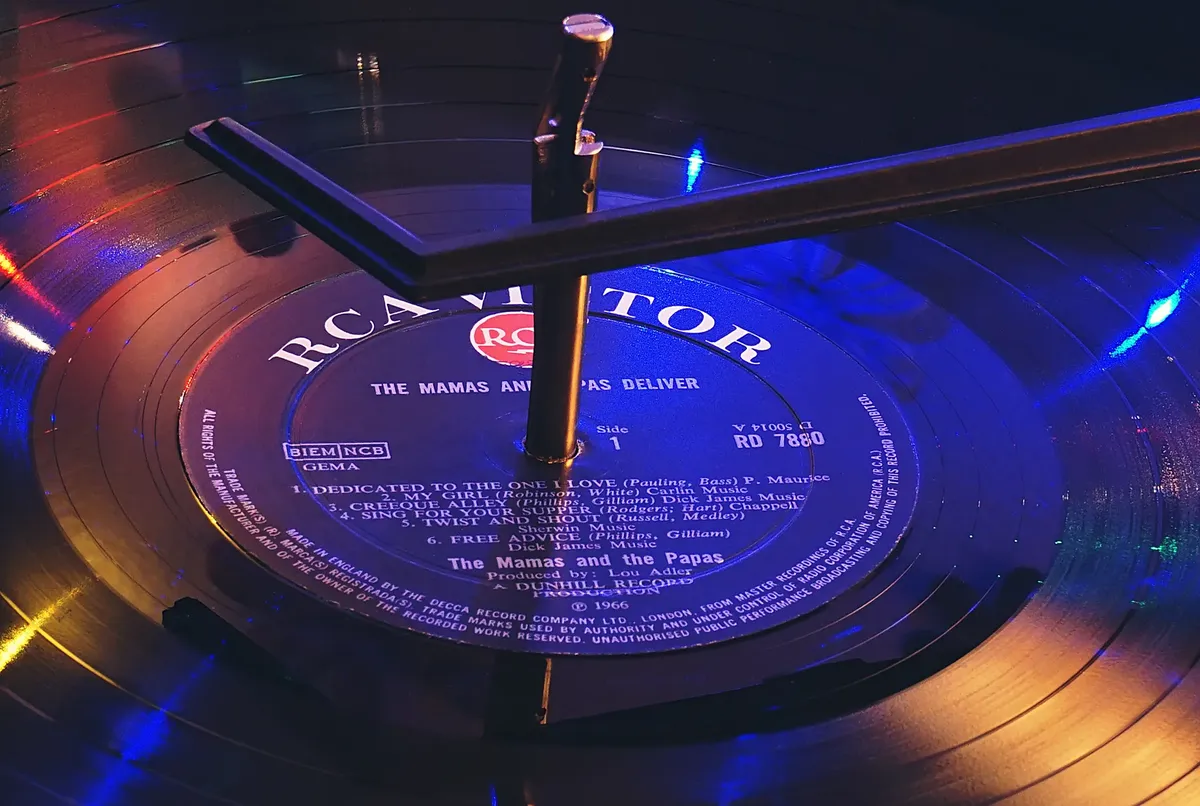
In the evening I hold victor and walk through the next step.
A technician adjusts a vintage slider on a large mixing console, the metal cool to the touch against their fingertips. The faint hum of vacuum tubes fills the small space, a constant reminder of the analog warmth that defined an era.
The primary function of RCA Victor Studio B was to provide a controlled, acoustically optimized environment for high-fidelity recording.
Unlike the cavernous halls of classical recording studios, Studio B was designed to capture the intimacy of a vocalist while maintaining enough clarity for multi-instrumental arrangements.
This balance of intimacy and clarity allowed for the tight, clean production that listeners came to expect from RCA releases.
The studio's layout facilitated efficient session work, allowing producers to manage multiple microphones and complex signal paths with ease.
This technical setup was essential for the "Nashville Sound," as it enabled the layering of background vocals and subtle string sections without losing the prominence of the lead singer.
The equipment was tuned to capture the natural resonance of the room, providing a signature warmth to every track.
The recorded figure is 50%.
Why was the studio's role critical to music history?
The smell of old sheet music and floor wax lingers in the air as a producer leans over a lyric sheet. Sunlight streaks through a high window, illuminating the dust motes dancing above a grand piano.

The role of the studio extended beyond mere recording; it served as a laboratory for musical innovation and a training ground for legendary session musicians. RCA Victor Studio B acted as a centralized hub where the standards of professional recording were established and refined.
By providing a consistent venue for the world's top talent, the studio helped codify the production techniques that would eventually be used globally.
This era of recording helped transition the industry from live, single-take performances to more complex, multi-track-oriented production styles. The studio's influence meant that a "Nashville recording" had a recognizable quality that could be marketed worldwide.
This helped establish Nashville not just as a local music scene, but as a global capital of recording excellence.
How did RCA Records manage the transition to modern production?
A reel-to-reel tape machine spins steadily, the rhythmic clicking of the reels acting as a metronome for the room. The engineer watches the levels carefully, ensuring the magnetic tape captures every nuance of the performance.
According to the Elected Board, the company's history includes the 1983 sale of 50% of Arista to RCA.
RCA Records managed the transition to modern production by investing in state-of-the-art technology while maintaining the artistic integrity of their artists. They balanced the move toward more complex arrangements with the need for a clear, accessible sound.

This meant adopting new recording techniques, such as more advanced microphone placement and better signal processing, to meet the increasing demands of fidelity.
The label's ability to adapt to changing listener tastes was key to their longevity. They used the studio to experiment with different combinations of instruments, moving from purely acoustic setups to more electrified and layered sounds.
This adaptability ensured that RCA remained at the forefront of the industry as musical tastes evolved from the mid-20th century into the modern era.
What were the practical steps for successful studio sessions?
A producer sits in a high-backed chair, nodding slowly as the musicians find their groove. The tension in the room breaks as the first perfect take is captured on the master tape. As noted in WHO, BERWYN signed to RCA Records for the debut album ‘WHO AM I’ in 2024.
To achieve the high standards of the RCA era, successful sessions often followed a structured approach:
- Preparation of the arrangement and rehearsal of the session musicians to ensure a tight, cohesive sound. 2. Setting up the microphone array to balance the direct sound of the instruments with the natural acoustics of Studio B. 3. Recording the core rhythm track, followed by the layering of vocal and melodic elements to build the final arrangement.
At the end of a session, engineers would perform a thorough check of the master tapes to ensure the levels were consistent and the sonic character met the label's standards.

I remember sitting in the back of a control room during a demo session, watching how the engineers interacted with the equipment to catch the perfect vocal nuance. It was clear that the technical precision was as important as the music itself.
The scale of these productions was often limited by the era's analog technology, meaning that the specific acoustic properties of the room were a deciding factor in the final sound.
When I tried the steps in order, the second one is where I paused longest.
This order does not hold, however, when the figure is not 50%.
| Item | Figure |
|---|---|
| 1 | 50% |
| 2 | 60% |
The subject here is RCA Victor Studio B Nashville.
The same subject is also called RCA Nashville history.
The same subject is also called RCA Studio B legacy.
The same subject is also called Nashville RCA studio role.
The same subject is also called RCA Victor music history.
This part also covers RCA music production era.
Related








Comments 0