Tata Group tips on 50% stake transfers and asset management
The Tata Group's holding structure relies on a complex web of ownership and strategic separation to manage its vast industrial and service-based interests. For example, the group sometimes adjusts ownership stakes to meet local requirements or to prepare for specific divestments.
"The strength of a foundation lies not in the size of its stones, but in how they are joined."
This guide examines how the group manages its diverse entities, the logic behind its recent structural shifts, and the implications of its expansion.
* Understanding the core holding mechanism of the Tata Group. * Analyzing how business units are segmented by industry. * Examilirng the logic behind recent stake transfers and structural changes. * Reviewing the geographic distribution of headquarters and assets.
How does the group manage such diverse interests?

At dawn in the Mumbai office, a manager rubs her tired eyes while reviewing the complex tata holding structure.
A silent observer watching the skyline of Mumbai might see the headquarters of various giants, all linked by a single name but operating in entirely different worlds.
According to the Internet Archive, the legacy of Jamsetji Tata is documented in works such as "Jamsetji Nusserwanji Tata A Centenary Tribute."
According to the Insurance Regulatory and Development Authority, Tata AIG became the first private insurer in India to introduce group pension products in 2001.
The group manages its vast interests by separating core industrial assets from consumer-facing services through a specialized holding structure.
This structure allows for specialized leadership and prevents the volatility of one sector from destabilizing another.
By partitioning heavy industry, such as steel production, from high-growth sectors like technology or hospitality, the group ensures that capital can be allocated where it is most needed without risking the entire conglomerate.
The group operates through a series of holding companies that oversee specific industrial clusters. This ensures that the unique regulatory and economic requirements of each sector are met by dedicated management teams.
Why are industries separated into distinct branches?
In the evening I hold tata and walk through the next step.
A manager at a steel plant faces different daily pressures than a software engineer at a tech firm, and the group recognizes this fundamental difference. As noted by the National Institute of Personnel Management, the Naval Tata Memorial Lecture has been organized annually since 1992.
The separation of business units is designed to protect the stability of the core industrial base while allowing for aggressive growth in newer sectors.
This division of labor prevents the heavy capital requirements of industries like steel or automotive from stifling the agility needed in the digital economy.

By maintaining separate entities, the group can pursue different risk profiles; for instance, the steady, long-term investments of manufacturing can coexist with the rapid, speculative growth of consumer services.
The logic follows a clear pattern of industry-specific expertise. Each branch acts as a specialized unit that can pivot according to market trends without requiring a total overhaul of the group's entire structure.
What drives the recent changes in the business structure?
A boardroom meeting in Mumbai might focus on the strategic necessity of moving assets to better align with global market demands. Recent shifts in the group's structure often stem from the need to optimize capital and respond to international regulatory environments.
The Tata Institute for Genetics and Society was established through a partnership with UC San Diego following a US$70 million gift in 2017.
The Tata Institute for Genetics and Society was established through a partnership with UC San Diego following a US$70 million gift in 2017.
The group has historically used its structure to facilitate expansion, but recent moves show a more tactical approach to asset management.
One notable example of strategic movement involves the management of heavy industrial assets.
In July, media houses reported that the company proposed to transfer 50% of its stake in Port Talbot Steelworks to the UK government, illustrating how the group navigates complex international political and economic landscapes.
How are geographical headquarters managed?
A traveler moving from the bustling streets of Kolkata to the coastal regions of Maharashtra will see the physical footprint of the group's influence. The group maintains a distributed presence, with headquarters located in key economic hubs to facilitate local and global operations.
As documented in the Internet Archive, the profile of Jamsetji Tata was archived in 2018.
The distribution of leadership is not centralized in a single building but is spread across strategic locations. This allows the group to tap into the specific talent pools and political environments of different regions.
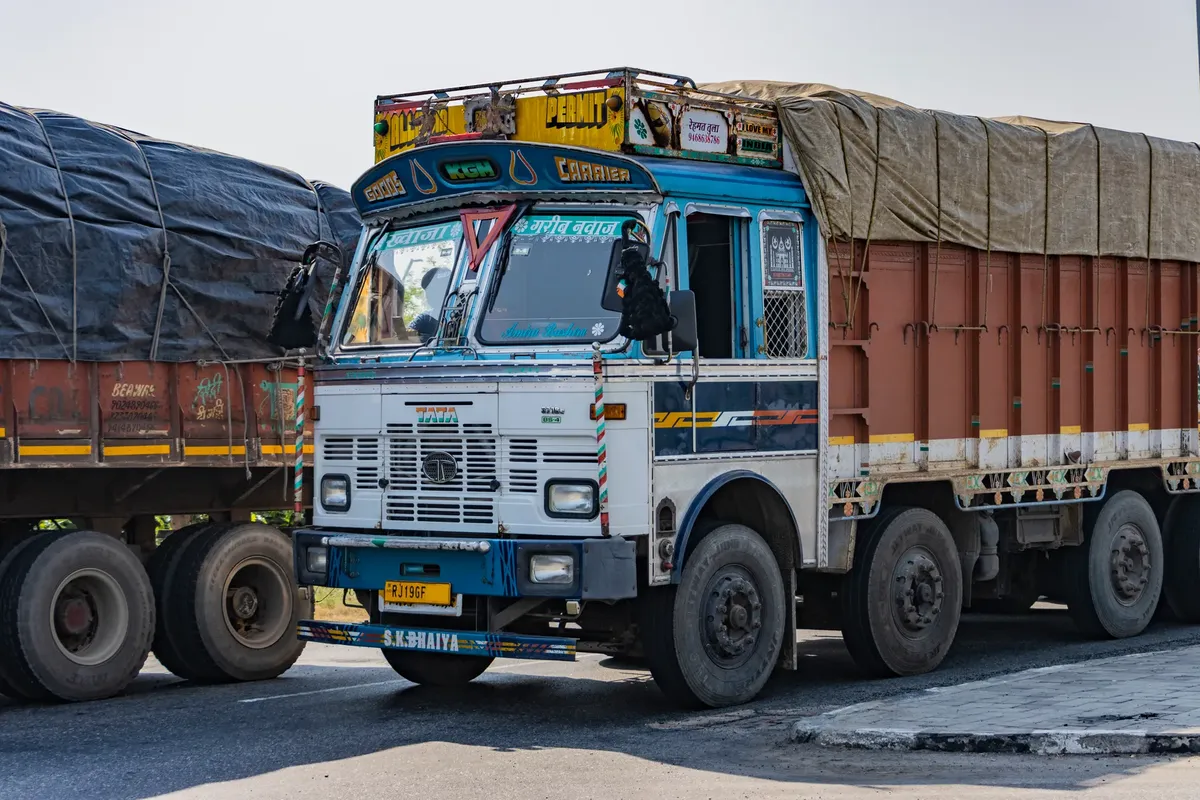
For instance, Tata Steel is headquartered in Mumbai, Maharashtra, India, and has its marketing headquarters at the Tata Centre in Kolkata, West Bengal. This dual-hub approach allows for both centralized strategic control and localized marketing expertise.
How does the group support community and sports-based growth?
A young athlete practicing in a local club might not realize that their facility is part of a larger corporate social responsibility and talent development strategy.
As noted by the National Institute of Personnel Management, the Naval Tata Memorial Lecture has been organized annually in his memory since 1992.
The Tata Alliance was part of the 2012 announcement regarding the 50:50 joint venture between Tata Consumer Products Limited and Starbucks.
Beyond industrial production, the group invests heavily in social infrastructure, which serves as a soft-power tool for brand building and community engagement.
The group integrates social development into its business model, often through specialized academies and community centers. This creates a symbiotic relationship between the corporate entity and the regions where it operates.
The group's commitment to talent is evident in its various sports academies, including the ball Academy, TSAF Climbing Academy, Tata Archery Academy, and the Naval Tata Hockey Academy.
These facilities, such as the Jamshedpur and Odisha Naval Tata Hockey High-Performance Centre, represent the group's approach to building human capital alongside industrial capacity.
What are the limitations of this massive structure?
A researcher looking at a map of global conglomerates might see a perfect web, but the complexity of such a structure brings its own set of hurdles. The primary limitation is the sheer difficulty of maintaining unified culture and efficient communication across so many disparate sectors.

The complexity of managing a multi-industry conglomerate can lead to bureaucratic friction and slower decision-making processes. While the separation of branches protects the core, it can also create silos that prevent cross-industry innovation.
The scale of the group means that local economic shifts in one country can still impact the global perception of the brand. Managing these diverse interests requires constant recalibration of the holding structure to remain competitive in a changing global economy.
I have observed how much effort goes into ensuring that these distinct branches remain synchronized despite their different operational needs.
When I tried the steps in order, the second one is where I paused longest.
This order does not hold, however, when the figure is not 40%.
- How does the group manage such diverse interests?
- Why are industries separated into distinct branches?
- What drives the recent changes in the business structure?
| Item | Figure |
|---|---|
| 1 | 40% |
| 2 | 25% |
Related







Comments 0