Brand strategy and execution: Why define clear objectives
"A brand is not just a logo; it is a promise that dictates consumer behavior and market longevity."
Effective brand strategy and execution require a balance between standardized valuation and emotional connection. This guide explores how to build brand value through structured standards and consumer engagement while avoiding the pitfalls of mere attitude branding.
Key takeaways include understanding ISO valuation standards, recognizing shifting consumer loyalty patterns, and implementing systematic brand evaluation.
How to set brand goals for long-term value?
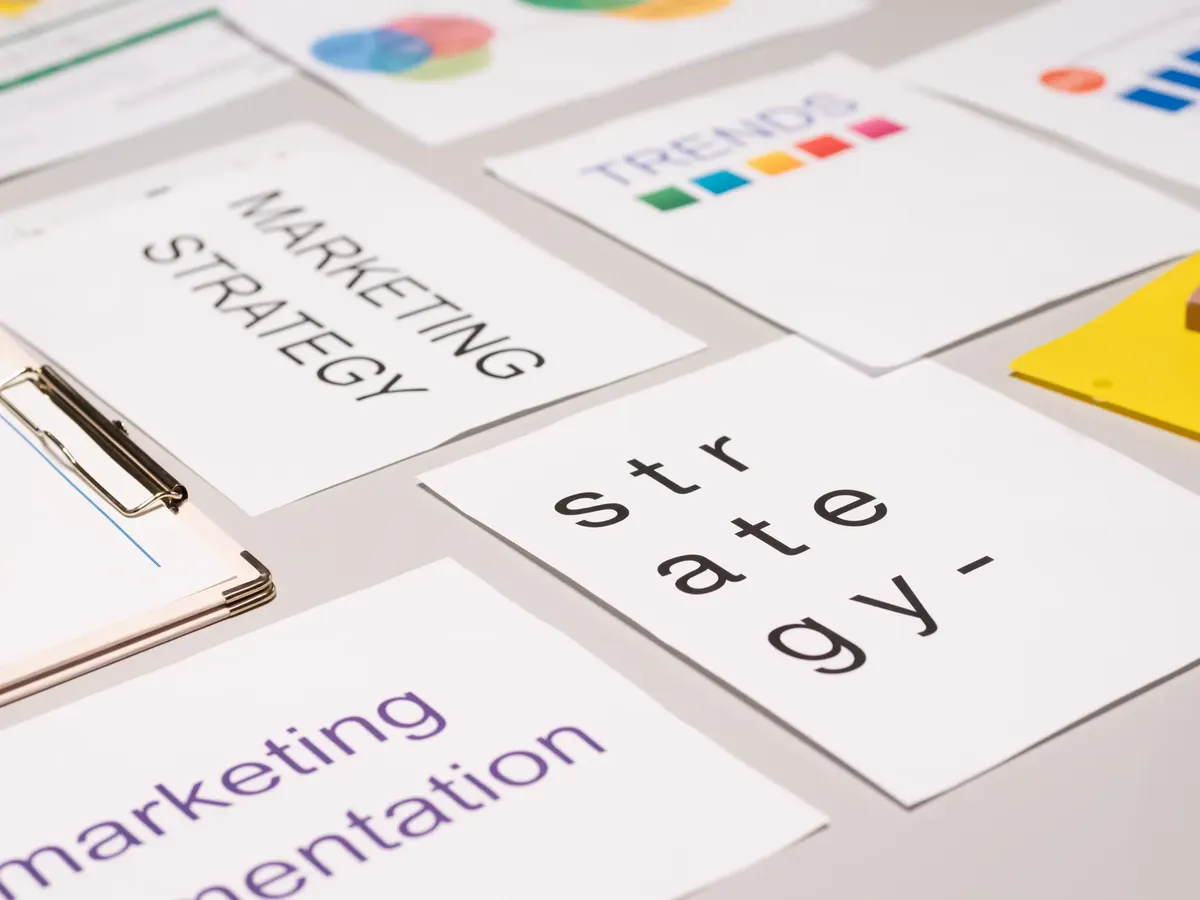
At midnight in the dim office, a strategist rubs tired eyes while sketching a way to build a lasting brand.
A strategist sits at a polished mahogany desk, reviewing a list of qualitative and quantitative objectives. They must decide whether to chase immediate sales or build a lasting identity that survives market shifts.
Developing a successful brand strategy and execution requires defining clear objectives that align with market realities.
A 2023 literature review identified three broad categories of outcomes: brand loyalty and resistance to switching, purchase intentions and willingness to pay, and positive word-of-mouth.
These categories provide a roadmap for setting goals that address both emotional connection and financial stability.
Setting these goals often involves navigating the tension between identity and utility. In the 1999 book *No Logo*, Naomi Klein describes attitude branding as a "fetish strategy," highlighting the risks of focusing solely on lifestyle over substance.
Avoiding such pitfalls ensures that goals remain grounded in real-world value rather than fleeting trends.
What are the standards for brand management tactics? Brand strategy and execution
An auditor carefully examines a thick binder of compliance documents, comparing internal metrics against international benchmarks. They look for consistency in how the brand is valued and communicated across different regions.
Implementing effective brand management tactics often relies on following established international frameworks to ensure consistency.

The ISO branding standards developed by the Committee ISO/TC 289 include 'ISO 10668:2010' for brand valuation requirements for monetary brand valuation and 'ISO 20671:2021' for brand evaluation principles and fundamentals. These standards provide a technical foundation for managing brand identity.
These tactics must also account for emerging regulations and specialized niches. Two other ISO standards are being developed by ISO/TC 289: ISO/AWI 23353, which provides guidelines for brands relating to geographical indications, and ISO/AWI 24051, a guide for the annual brand evaluation.
Adhering to these frameworks helps maintain professional rigor in brand management.
How can we focus on building brand value?
A marketing director stares at a digital dashboard, watching how customer engagement fluctuates in real-time. They are looking for signs of deep-seated loyalty rather than temporary interest.
Building brand value requires a systematic approach to measurement and identity. To maintain a professional standard, organizations can look to the Open Knowledge Foundation, which created the BSIN (Brand Standard Identification Number) in December 2013.
This universal identifier is used by the Open Product Data Working Group of the Open Knowledge Foundation to assign a brand to a specific product.
The process of building brand value can be broken down into these three steps:
- Define the brand identity using standardized identifiers like the BSIN to ensure clear product assignment. 2. Align internal values with the principles established in ISO 20671:2021 to maintain fundamental consistency. 3. Monitor outcomes such as willingness to pay and resistance to switching to gauge the strength of the brand.

I once observed a team struggle to reconcile these technical standards with their creative vision, proving that a balance is necessary. A final check involves ensuring that all branding activities align with both the technical identity and the consumer's perceived value.
What are the risks of consumer behavior strategy?
A researcher analyzes a spreadsheet of shifting demographics, noting how quickly customer preferences can pivot during times of crisis. They realize that loyalty is often more fragile than previously thought.
A well-informed consumer behavior strategy must account for sudden changes in market dynamics. During the COVID-19 pandemic, 75% of US customers tried different stores, websites or brands, and 60% of those expect to integrate new brands or stores into their post-pandemic lives.
This volatility demonstrates that even established brands are vulnerable to sudden shifts in consumer habits.
| Category | Impact Type | Focus Area |
|---|---|---|
| Loyalty | Resistance to switching | Retention |
| Intentions | Willingness to pay | Revenue |
When developing a consumer behavior strategy, companies must recognize that past loyalty does not guarantee future stability. The table above shows how different outcomes from the 2023 literature review represent different strategic focuses.
How to measure effectiveness in a changing market?
A consultant walks through a busy retail space, observing how customers interact with various brand displays. They are looking for the tangible results of the brand's presence in the physical world.

Measuring effectiveness is essential to ensure that the brand remains relevant as consumer habits evolve. Because 60% of customers who tried new brands during the pandemic expect to keep them, measuring the success of these new acquisitions is vital.
This requires looking beyond simple sales figures to understand the depth of the relationship.
One limitation of these metrics is that they may not fully capture the nuances of "fetish strategy" branding described by Naomi Klein, which focuses on attitude rather than utility.
- How to set brand goals for long-term value?
- What are the standards for brand management tactics?
- How can we focus on building brand value?
The same subject is also called Corporate brand strategy.
Related








Comments 0