What do K-Beauty global tactics look like?
"K-Beauty brands are looking toward new frontiers, even when facing economic shifts and trade barriers."
To execute a successful 2026 K-Beauty market strategy, brands must focus on high-growth emerging markets like Mexico while navigating complex tariff environments. Success requires balancing localized distribution with global brand identity to overcome regional trade headwinds. 1. Prioritize emerging markets with rising consumer demand. 2. Develop contingency plans for tariff-related cost increases. 3. Adapt product portfolios to local regulatory and skin-type requirements. * Monitor global GDP trends to align expansion with economic cycles.
How can brands navigate the 2026 K-Beauty market strategy?
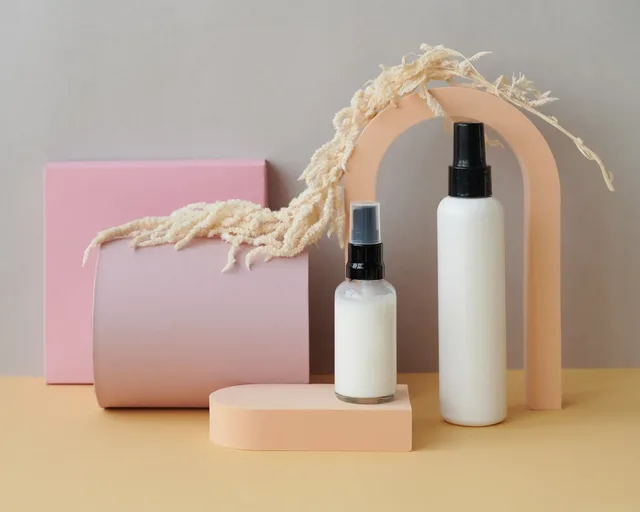
At midnight in the dim office, the manager rubs their tired eyes while contemplating how the new strategy does work amidst shifting tariffs.
A manager sits in a quiet office, reviewing shipping manifests and tax documents for a new shipment of serums. They look at the rising costs of international logistics and the shifting landscape of global trade.
Implementing a 2026 K-Beauty market strategy involves analyzing regional economic stability and trade policy. According to World Bank data, the world recorded GDP growth of 2.9% in 2025, which serves as a baseline for understanding consumer purchasing power in new territories.
Brands must identify regions where this growth translates into beauty spending despite potential barriers.
The effectiveness of K-Beauty expansion plans depends on the ability to bypass or mitigate local taxes. Companies often choose to establish local warehousing or partner with domestic distributors to reduce the impact of sudden tariff changes.
This approach allows for more stable pricing in competitive markets.
What are the risks of launching a beauty brand in 2026?
An entrepreneur stands at a busy port, watching containers being unloaded under a bright midday sun. They check a list of imported goods, noting the specific duties applied to cosmetics.
The primary risk for a 2026 beauty brand entry involves sudden changes in import regulations and tariffs. For example, K-Beauty brands set sights on Mexico despite tariff headwinds.
This situation requires brands to calculate whether their margins can absorb higher costs or if they must adjust their retail pricing strategies immediately upon entry.

Navigating these risks requires a deep understanding of regional trade agreements. If a brand enters a market with high protectionist tendencies, the cost of goods sold may rise significantly. Brands must weigh the high demand in these regions against the financial burden of entry.
According to World Bank, the 2025 record includes 2.9%.
What do K-Beauty global tactics look like?
A researcher scrolls through digital trade reports on a laptop, highlighting specific duty rates for skincare products. The soft glow of the screen illuminates a room filled with market analysis papers.
Effective K-Beauty global tactics involve a dual focus on digital presence and physical availability. While social media drives initial interest, the physical supply chain determines long-term viability.
Brands that successfully integrate online hype with reliable local retail presence tend to capture market share more effectively.
Strategic planning must also account for the specific economic conditions of the target country. A brand cannot apply a uniform global model if the local economy is experiencing volatility.
Success lies in the ability to pivot from a centralized export model to a more localized distribution network when necessary.
What are the current K-Beauty case study analysis findings?
A consultant points to a colorful map on a boardroom wall, tracing the movement of goods from East Asia to Latin America. They emphasize the importance of specific regional corridors.
A K-Beauty case study analysis reveals that brands are increasingly targeting non-traditional markets to diversify their revenue streams. Instead of focusing solely on North America or China, companies are looking toward Latin American hubs.
This diversification helps protect the brand from localized economic downturns in any single major market.
By studying these movements, companies can see that successful brands often launch with "hero products" that have high recognition. These products act as an entry point, building brand trust before the company introduces a full skincare line. This phased approach minimizes initial inventory risk.
How should brands approach 2026 consumer preference trends?
A customer in a brightly lit pharmacy picks up a glass bottle, reading the ingredients list carefully. They turn the product over in their hands, feeling the weight of the packaging.
Understanding 2026 consumer preference trends requires monitoring how local skin concerns interact with global K-Beauty trends. Consumers in warmer climates may prioritize lightweight, oil-free formulations, whereas those in different regions might seek intense hydration.
Brands must tailor their product selection to meet these specific biological and environmental needs.
Furthermore, the perception of "clean beauty" and ingredient transparency is a growing driver. Consumers are no longer just looking for brand names; they are looking for specific functional benefits.
Aligning the brand's core technology with these local expectations is essential for sustained growth.
What is the K-Beauty entry cost comparison?
A financial officer compares two spreadsheets on a large monitor, looking at the projected expenses for a direct export model versus a local partnership model.
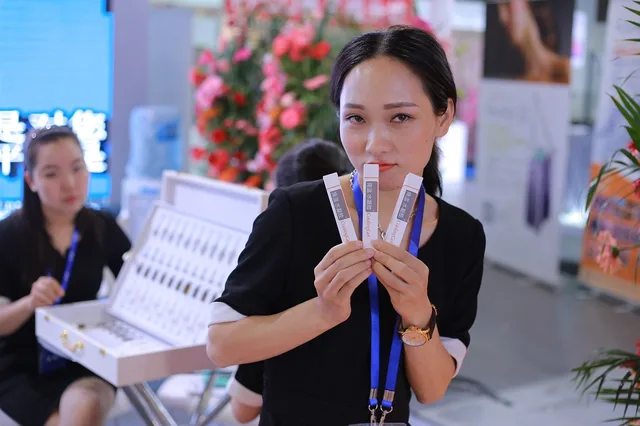
When evaluating the financial requirements for expansion, the following comparison highlights the different structural needs of a brand:
| Entry Method | Primary Cost Driver | Risk Level |
|---|---|---|
| Direct Export | Tariffs and Shipping | High |
| Local Partnership | Distribution Commissions | Moderate |
I observed that the decision to choose one method over the other often depends on the specific tariff landscape of the target country. A brand might find that while direct export offers more control, the tariff headwinds mentioned in recent reports make local partnerships more financially viable.
A limitation of this analysis is that it cannot account for the specific regulatory hurdles of every individual country, as these change frequently.
The 2026 K-Beauty market strategy is defined by the ability to navigate complex trade environments and leverage global economic trends to enter emerging markets.






Comments 0