Brand value assessment methods: ISO 289 standards guide
"The value of a brand is not merely a number on a balance sheet but a complex intersection of consumer perception and standardized metrics."
Effective brand value assessment methods require a balance between qualitative consumer sentiment and quantitative technical standards.
This guide explores how to value brand equity through established frameworks, explores the impact of shifting consumer behaviors, and outlines practical steps for maintaining brand strength.

Key takeaways: * Utilize ISO standards for monetary and fundamental brand evaluation. * Monitor consumer outcomes like loyalty, purchase intention, and word-of-mouth. * Adapt to shifting market behaviors to maintain long-term relevance.
How to value brand equity through standard frameworks?
At dusk in the quiet office, I rub my tired eyes while scanning the complex technical documents used to measure our brand.
A professional sits at a desk, reviewing technical documents to ensure compliance with international benchmarks. To establish a reliable baseline, organizations often look toward international standards to provide structure to their assessments.
The ISO/TC 289 committee has developed specific standards to guide these processes. According to ISO/TC 289, the standards include 'ISO 10668:2010' for requirements regarding monetary brand valuation and 'ISO 20671:2021' for principles and fundamentals of brand evaluation.
These frameworks provide a technical foundation for measuring worth in a way that is consistent across different industries.
Using these standards helps move away from subjective guesswork toward a more disciplined approach. By following these guidelines, a company can better communicate its value to stakeholders.
What are the key outcomes of brand strength assessment? Brand value assessment methods
A marketing manager examines a spreadsheet filled with customer feedback and retention rates. Understanding how a brand performs in the real world requires looking at specific behavioral outcomes that signal health.

A 2023 literature review categorized brand outcomes into three broad areas: brand loyalty and resistance to switching, purchase intentions and willingness to pay, and positive word-of-mouth. These categories serve as vital indicators of how deeply a brand is embedded in the consumer's life.
| Outcome Category | Primary Focus |
|---|---|
| Loyalty and Resistance | Retention and switching costs |
| Intent and Willingness | Purchase behavior and pricing power |
Measuring these metrics allows a business to see if their identity is translating into actual market strength. I found that looking at these specific categories helps clarify whether a brand is merely recognized or truly valued.
How to manage brand-related projects effectively?
A project lead outlines a timeline on a whiteboard to ensure the team hits its quarterly goals. When a company undergoes a rebranding or a process overhaul, timing and compliance become critical factors for success.
Effective project management often involves structured phases to improve business processes. For instance, a Level 2 Project aims to develop and improve compliance to a specific business process, typically with a targeted completion time of 3 months to 1 year.
This structured approach ensures that changes to brand identity or internal processes are handled systematically.
Managing the transition period is just as important as the initial strategy. Without clear timelines, the brand identity can become diluted during the implementation phase.
How can businesses adapt to changing consumer behavior?
An analyst watches a digital dashboard showing rapid shifts in shopping patterns across different regions. Market volatility can change how consumers interact with brands almost overnight.

During the COVID-19 pandemic, 75% of US customers tried different stores, websites, or brands, and 60% of those customers expected to integrate new brands or stores into their post-pandemic lives. This shift demonstrates that brand loyalty is not always static.
To maintain relevance, companies must be prepared for sudden shifts in consumer habits. A brand that fails to adapt to new digital or physical shopping environments risks becoming obsolete.
What are the practical brand management steps for consistency?
A designer aligns logos and typography on a screen to ensure every touchpoint looks identical. Consistency is the bedrock of a recognizable brand, requiring disciplined execution across all channels.
To maintain a cohesive brand, follow these steps:
- Establish a clear identity using unique identifiers, such as the BSIN (Brand Standard Identification Number) created by the Open Knowledge Foundation in December 2013, to assign a brand to a product. 2. Align all marketing efforts with the core brand values to prevent the "fetish strategy" of attitude branding described in Naomi Klein's 1999 book *No Logo*. 3. Perform regular audits against ISO standards to ensure that both monetary and fundamental evaluations remain accurate.
A final check should involve verifying that every new product or service adheres to these established identity markers. This prevents fragmentation and builds long-term trust.
Is there a limitation to these evaluation methods?
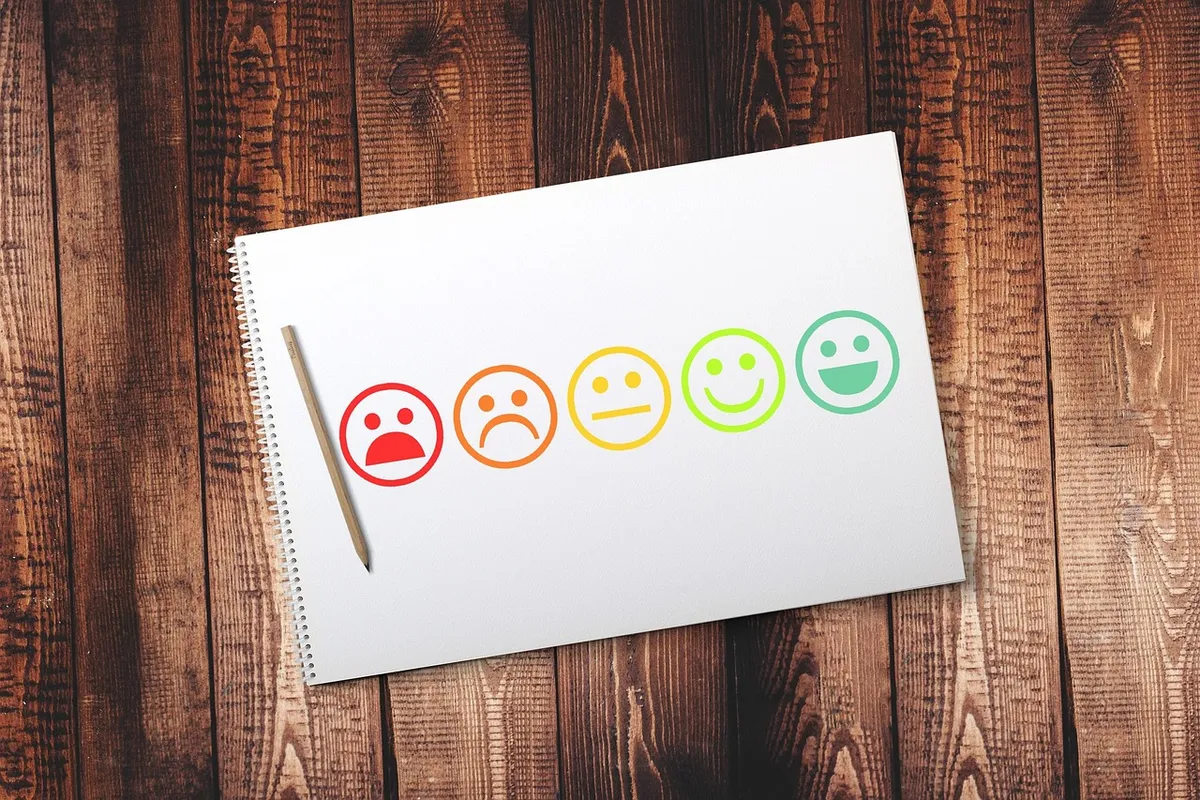
A researcher notes that while standards are helpful, they cannot account for every sudden shift in global culture. Every methodology has its boundaries based on the data available.
A limitation of these methods is that they may not fully capture the immediate impact of sudden, global shifts in consumer behavior on specific brand equity.
- How to value brand equity through standard frameworks?
- What are the key outcomes of brand strength assessment?
- How to manage brand-related projects effectively?
The subject here is Brand value assessment methods.
The same subject is also called Brand value evaluation criteria.
The same subject is also called Measuring corporate brand worth.
This part also covers Building consumer trust brand.
This part also covers Marketing strategy for brand value.
Related








Comments 0