Brand value assessment criteria: How to judge brand worth
"A brand is more than a logo; it is a complex set of standards, identification numbers, and consumer behaviors that define its market worth."
Brand value assessment criteria involve evaluating monetary requirements, fundamental principles, and consumer behaviors like loyalty and purchase intent. This guide is for marketers and analysts looking to understand how to judge brand worth through technical standards and market outcomes.
What are the top brand evaluation standards?
At midnight in the dim office, he rubs his tired eyes while staring at the complex brand standards on his screen.
The Committee ISO/TC 289 has developed specific international frameworks for brand evaluation.

To understand how to judge brand worth, one must look toward the Committee ISO/TC 289, which has developed specific international frameworks.
According to Wikipedia, the ISO branding standards developed by the Committee ISO/TC 289 include 'ISO 10668:2010' for requirements regarding monetary brand valuation and 'ISO 20671:2021' for principles and fundamentals of brand evaluation.
These standards provide the technical backbone for determining how much a brand is worth in a formal economic sense.
These include ISO/AWI 23353, which relates to brands with geographical indications, and ISO/AWI 24051, a guide for conducting annual brand evaluations.
Using these methods for brand worth rating ensures that the assessment follows a globally recognized structure.
However, these standards may be less effective when applied to niche markets with highly subjective preferences.
How can identification numbers assist in branding? Brand value assessment criteria
An analyst enters a unique string of digits into a database to verify a product's origin. One way to use brand value evaluation methods is to utilize universal identification systems that link a specific brand to a product.
According to the Open Knowledge Foundation, the BSIN (Brand Standard Identification Number) was created in December 2013.
The Open Knowledge Foundation created the Brand Standard Identification Number (BSIN) in December 2013. This system is universal and is used by the Open Product Data Working Group of the Open Knowledge Foundation to assign a brand to a product.
This level of precision helps maintain data integrity across different platforms.

Implementing a standardized identification system allows for clearer tracking of brand assets. By using a BSIN, companies can ensure their brand identity is digitally recognized and correctly mapped to their physical goods.
However, relying solely on numerical data can overlook the emotional connection consumers have with a brand.
What consumer behaviors indicate brand strength?
Late at night in the crowded market, he feels a surge of excitement as he reaches for his favorite brand.
A customer stands in a grocery aisle, hesitating between a familiar package and a new, brightly colored box. Assessing true brand value now requires looking at how people actually react to products in the real world.
A 2023 literature review grouped brand outcomes into three broad categories: brand loyalty and resistance to switching, purchase intentions and willingness to pay, and positive word-of-mouth. These behaviors serve as practical indicators of how deeply a brand has penetrated the consumer's mind.
| Outcome Category | Primary Focus |
|---|---|
| Consumer Loyalty | Resistance to switching brands |
| Market Intent | Willingness to pay higher prices |
I observed how these categories shift during economic changes, specifically noting how purchase intentions fluctuate when consumers face new choices.
However, these behaviors might not accurately reflect long-term loyalty during periods of extreme economic instability.
How do geographical indications define a brand?
A traveler picks up a small tin of tea, checking the label for a specific origin mark. When a brand is tied to a specific place, the criteria for evaluation become much more stringent.

For example, the requirements for Ceylon tea are very specific. According to Wikipedia, the logo should only appear on a consumer pack that contains 100 percent pure Ceylon tea, is packed in Sri Lanka, and conforms to the quality standards set out by the Sri Lanka Tea Board.
This connection between geography and quality is a core component of brand identity.
This type of branding creates a niche market. Currently, the market for pure teas such as "pure Ceylon tea" is considered a niche market, occupying only 10 percent of the global market.
However, this method is not applicable to digital-only brands that lack a physical origin.
What steps are needed to evaluate a brand?
A consultant prepares a presentation, outlining the necessary phases for a corporate audit. To conduct a proper evaluation, follow these structured steps:
- Identify the applicable ISO standards, such as ISO 10668:2010, to establish the monetary valuation framework. 2. Analyze consumer data to categorize outcomes into loyalty, purchase intention, and word-of-mouth. 3. Verify geographical and quality compliance if the brand relies on specific regional designations.
After completing these steps, perform a final check to ensure the findings align with both technical standards and observed market shifts.
- Define the key performance indicators.
- Collect relevant market data.
- Analyze the findings against competitors.
- I find that the second step requires the most effort.
How do market disruptions affect brand loyalty?
A person stares at a computer screen, realizing they have switched to a different online retailer. Sudden changes in the environment can force consumers to re-evaluate their long-standing preferences.
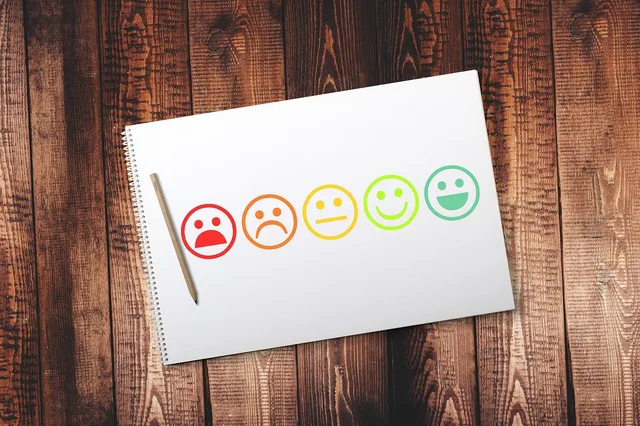
During the COVID-19 pandemic, 75% of US customers tried different stores, websites, or brands. Furthermore, 60% of those customers expected to integrate these new brands or stores into their post-pandemic lives.
This demonstrates that even strong brands can face sudden challenges to their market position.
The ability to retain customers during such shifts is a primary measure of brand strength. If a brand can maintain its resistance to switching during a period of high volatility, its value is likely much higher.
However, the impact of these disruptions is limited when consumers have no viable alternatives in the market.
The subject here is Brand value assessment criteria.
The same subject is also called Key brand rating factors.
The same subject is also called What measures brand value?.
Related







Comments 0