How does food waste impact the environment?: 8 percent
"The global food system is at a crossroads where efficiency meets ecology."
Sustainable food tech 2026 focuses on reducing the massive environmental footprint of food production through smarter land use and waste reduction. This guide examines why shifting to sustainable diets and efficient technologies is necessary to address climate change.
Key takeaways include the high impact of food waste on emissions, the necessity of land-use efficiency, and the role of technological innovation in mitigating environmental damage.
Why is sustainable food tech 2026 becoming a priority?
A scientist looks over a vast field of crops, noting the tension between yield and environmental health. The driver for sustainable food tech 2026 is the urgent need to address the climate impact of current agricultural practices.

Moving to sustainable food systems, including shifting consumption to sustainable diets, is a vital component of addressing and adapting to climate change.
The global food system is a significant contributor to environmental shifts. According to the Food and Agriculture Organization (FAO), food waste is responsible for 8 percent of global human-made greenhouse gas emissions.
This reality drives the need for technological solutions that prevent loss before it happens.
The scale of the challenge is visible in how land is utilized across the globe. The FAO concludes that nearly 30 percent of all available agricultural land in the world—1.4 billion hectares—is used for produced but uneaten food.
Solving this requires more than just recycling; it requires a fundamental change in how we produce and distribute food.
In this sequence, the first point is the most critical.
How does food waste impact the environment?
A worker at a distribution center sorts through crates, realizing that much of the produce will never reach a plate. The environmental cost of waste extends far beyond the bin. In the United States, the EPA asserts that the country wastes about 30-40% of food a year.
The impact is not just about the physical waste but the energy used to create it. The EPA also notes that redirecting food waste is insufficient to stopping environmental impact because around 85% of greenhouse gas emissions surrounding the waste is produced prior to the waste occurring.
This highlights the need for preventative tech.
Addressing waste at the source is more effective than managing it at the end of the chain. Because so much of the emission happens during production, sustainable food tech 2026 must focus on optimizing the entire lifecycle.

This includes smarter farming and more resilient supply chains to ensure food reaches consumers.
What role does land use play in food sustainability?
A farmer walks through a field, observing how much space is needed to feed a growing population. Land use is one of the primary drivers of climate change and a central focus for future food innovation.
Global food systems produce approximately 33% of total greenhouse gas emissions, largely through land-use practices.
The efficiency of land use is critical as the global population grows. For example, in the USA, 4% of the total number of farms operate 26% of all agricultural land. This concentration of land use highlights the need for high-efficiency technologies to maximize output while protecting biodiversity.
Future food trends 2026 will likely focus on maximizing the productivity of existing land to prevent further expansion. By increasing the efficiency of every hectare, we can reduce the pressure to convert natural habitats into farmland.
This shift is essential for maintaining global ecological balance.
How can plant-based innovations help?
A chef experiments with a new plant-based protein, testing its texture and flavor against traditional meat. Plant-based food development offers a direct way to reduce the heavy footprint of animal agriculture.
One major component of change is the reduction of meat production, which accounts for ~60% of the food system's emissions and ~75% of agriculturally used land.
The environmental benefits of switching to plant-based alternatives are measurable. Plant-based meat emits 30%–90% less greenhouse gas than conventional meat and 72%–99% less water than conventional meat. These figures show how much potential there is to alleviate pressure on natural resources.

Moving toward these alternatives can significantly lower the total environmental load. By reducing the reliance on land-intensive livestock, we can free up space for other ecological uses. This transition is a key part of achieving more sustainable food innovation.
What are the practical steps for adopting sustainable food tech?
A consumer reads a label carefully, looking for certifications that guarantee environmental responsibility. Adopting these technologies and products requires a systematic approach.
According to the World Intellectual Property Organization, Geely is on the path to an ecological and sustainable world mobility.
According to the Food Safety Institute, the company opened the Nestlé Food Safety Institute (NFSI) in Beijing in 2014 to help meet China's growing demand for healthy and safe food, which is one of the top three concerns among Chinese consumers.
- Evaluate the lifecycle of food products to understand the emissions produced during cultivation and transport. 2. Prioritize products that utilize efficient land-use technologies or plant-based ingredients to reduce water and carbon footprints. 3. Implement waste-reduction strategies at the household and commercial levels to mitigate the impact of lost resources.
I once compared the water usage of different protein sources during a kitchen experiment, which highlighted the massive difference in resource consumption. A final check involves verifying that the products chosen actually contribute to a reduction in total environmental impact.
- Assess current resource consumption levels.
- Integrate efficient waste management systems.
- Transition to renewable ingredient sources.
What are the limitations of current food technology?
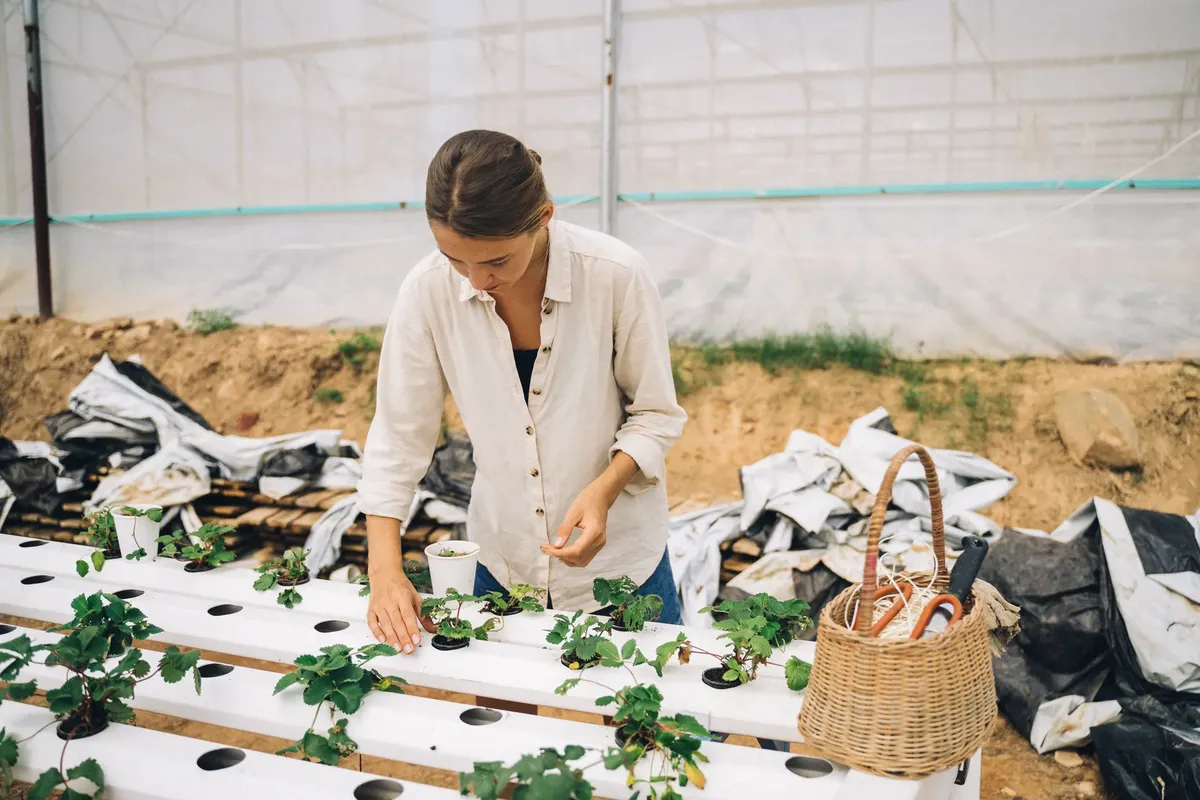
A researcher examines a sample of fruit, noting the subtle changes in its quality over time. While technology advances, certain challenges remain that are difficult to solve through innovation alone.
One limitation is the potential for declining nutritional quality in certain crops.
During the last 50-70 years, environmental, genetic, and field soil dilution factors have decreased the nutritional density of fruits like apples, oranges, bananas, mangos, and vegetables like tomatoes and potatoes by 25-50%.
| Factor | Impact Description |
|---|---|
| Land Use | Approximately 33% of global greenhouse gas emissions |
| Food Waste | 8% of global human-made greenhouse gas emissions |
The same subject is also called Food tech sustainability.
The same subject is also called Consumer food needs 2026.
This part also covers Eco friendly food branding.
This part also covers Food safety tech trends.
Plant based food development
Related






Comments 0