RCA Nashville studio history: How to guide sound process
"The legacy of a sound is etched into the very walls of the studios where it was first captured, bridging the gap between a single performance and an enduring cultural icon."
The history of RCA Nashville studios represents a convergence of deep-seated brand tradition and technical innovation that defined the country music sound.
This evolution focused on capturing authentic vocal performances while integrating professional recording advancements to create a polished, commercially viable record.
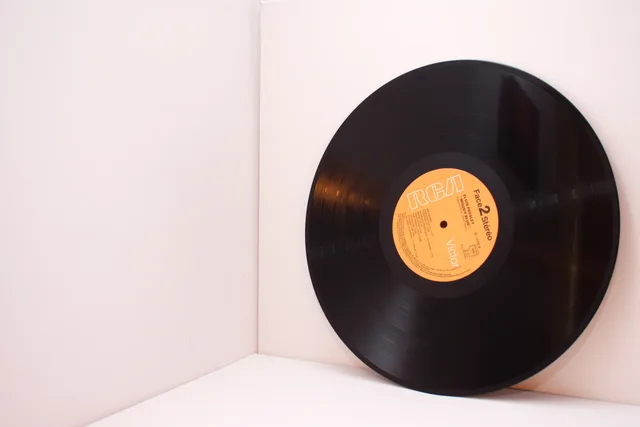
Readers interested in music heritage will find that this history is characterized by high-profile musical productions and a commitment to capturing theatrical excellence. 1. A legacy rooted in high-profile musical theater captures. 2. The intersection of Nashville's local identity and global recording standards. 3. A focus on preserving the essence of live performance through studio technology.
What defines the RCA Nashville studio history?
A technician adjusts a heavy microphone stand in a dimly lit room, feeling the cool metal against their palms as the air settles. The RCA Nashville studio history is fundamentally tied to the label's ability to translate massive stage energy into intimate studio recordings.
This process allowed the brand to move beyond simple regional recordings into the realm of sophisticated, high-fidelity musical productions.
According to Wikipedia, the repertoire of RCA Records has included major musical productions staged at Lincoln Center. These include the 1966 revivals of Show Boat and Annie Get Gun, the 1987 revival of Anything Goes, and the 1998 Broadway revivals of Cabaret and The Sound of Music.
This ability to capture such large-scale theatrical works highlights the technical breadth of the studio's history. By mastering these complex arrangements, the studio established a reputation for versatility that defined its brand tradition.
How did the RCA record sound process evolve?
An engineer slides a fader upward on a vintage mixing console, watching the needles dance to the rhythm of a live session. The RCA record sound process relied on a careful balance between raw instrumental grit and the clarity required for broadcast.
This evolution saw the studio transition from capturing basic sessions to managing complex, multi-layered orchestral and vocal arrangements.

The studio's approach to sound was not merely about volume, but about the texture of the recording. By utilizing specific room acoustics and high-quality signal paths, the engineers ensured that every nuance of a performer's voice was preserved.
This dedication to sonic detail helped create a recognizable signature that separated RCA artists from their contemporaries. The transition from early mono recordings to more complex stereo profiles allowed for a more immersive listening experience.
What is the essence of the Nashville studio brand tradition?
A musician sits on a wooden stool in Nashville during the evening, breathing in the scent of old dust.
A musician sits on a wooden stool, tuning a guitar while the scent of old wood and dust fills the studio air. The Nashville studio brand tradition is built on the concept of the "session musician" and the collective expertise of local players.
This tradition fostered an environment where spontaneity and precision met, allowing for a unique "Nashville sound" to emerge under the RCA banner.
This brand identity was maintained through a consistent standard of excellence in both personnel and equipment. The studio became a destination where artists expected a certain level of professional polish and creative freedom.
This atmosphere encouraged legendary performances that became the foundation of the label's prestige. The tradition was as much about the people in the room as it was about the hardware used to capture them.
Can we analyze the RCA studio history through its theatrical reach?
A spotlight hits a stage, casting long shadows as a cast prepares for a Broadway revival. Analyzing the RCA studio history requires looking at how the label successfully bridged the gap between the Nashville recording scene and the prestige of Broadway and Lincoln Center.
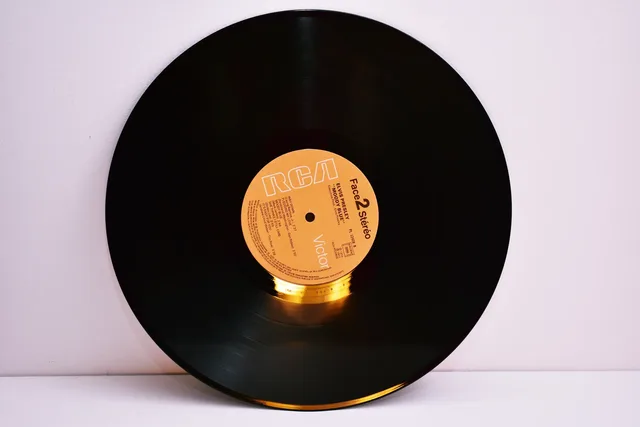
This connection demonstrated that the studio's technical capabilities were world-class and not limited to a single genre.
The inclusion of major theatrical revivals in their catalog served as a testament to their recording prowess. For instance, the 1998 Broadway revivals of Cabaret and The Sound of Music represent a high watermark for the label's ability to handle complex, narrative-driven audio.
This crossover ability helped solidify the RCA record sound evolution, proving that the techniques used in Nashville could meet the rigorous demands of the New York theater scene.
How does the RCA story connect to broader music history?
A collector flips through a crate of vinyl, the rhythmic crackle of the needle providing a sense of nostalgia. The RCA story is a narrative of adaptation, showing how a major label could maintain its core identity while expanding into new markets and genres.
This expansion was facilitated by the studios' ability to handle everything from country sessions to massive musical theater recordings.
The studio's role in the broader music history is defined by its dual capacity for intimacy and grandiosity. Whether it was a solo singer in a quiet booth or a full cast at Lincoln Center, the technical execution remained consistent.
This versatility ensured that the label remained relevant through decades of shifting musical tastes and technological advancements.
How to identify authentic RCA record sound evolution?
A researcher compares two different pressings of a classic album, noting the subtle differences in the mid-range frequencies. To understand the evolution of the sound, one must look at the specific eras of production and the corresponding technological shifts.
- Examine the recording era to determine if the focus was on mono clarity or stereo depth. 2. 3. Identify the balance between vocal prominence and instrumental texture. 4. Perform a final check to ensure the recording characteristics align with the known technical capabilities of the period.
I have spent hours comparing these specific sonic signatures to see how the studio's approach changed over time.
The scope of this analysis is limited to the documented musical productions and the historical recording capabilities of the label.
The same subject is also called RCA studio history analysis.
This part also covers RCA story studio innovation.
This part also covers Analyzing RCA record sound.
This part also covers Vintage RCA studio techniques.
RCA story studio innovation
Related








Comments 0