Tata 70 million Group semiconductor success why best tips
"The ability to pivot from traditional industries to high-tech frontiers defines the longevity of a global conglomerate."
The Tata Group semiconductor success is driven by a long-standing philosophy of strategic diversification and high-stakes institutional partnerships. This approach allows the group to enter complex technical sectors by leveraging existing capital and academic collaborations.
Key takeaways include the use of joint ventures to manage market entry, significant philanthropic investments in research institutions, and a history of acquiring specialized foreign technology to bridge capability gaps.
How does the Tata Group semiconductor success stem from historical patterns?
A researcher sits in a quiet library, flipping through decades of industrial reports to find the threads of a conglomerate's evolution. The Tata Group semiconductor success is not an isolated event but a continuation of a pattern where the group enters new sectors through structured alliances.
By observing their past movements, one sees a tendency to combine local operational strength with international expertise.
For instance, the group has previously used joint ventures to penetrate specific markets, such as the 50:50 partnership between Tata Consumer Products Limited and Starbucks announced on 30 January 2012 to create Tata Starbucks Limited in India.
This method of shared risk and shared branding helps stabilize new ventures.
The group's strategy often involves deep integration with academic and research entities. According to Wikipedia, Tata Trusts gifted 70 million to the University of California, San Diego in 2017 and partnered with them to establish the Tata Institute for Genetics and Society (TIGS).
This demonstrates a willingness to fund fundamental research to solve complex problems in public health and agriculture, a mindset that translates well to the capital-intensive semiconductor industry.
In this sequence, the second step is the longest.
How does global tech acquisition fit into their strategy?
The executive feels the chill of the midnight office as he grips a pen to sign the latest tata acquisition documents. An executive reviews a series of acquisition documents, noting how small, specialized firms provide the technical bridge to larger markets. The semiconductor strategy Tata utilizes often mirrors their historical approach of acquiring niche technology providers to accelerate development cycles.
Instead of building every capability from the ground up, the group has historically looked for specialized holdings. In 2008, the Tata Motors European Technical Centre acquired a 50.3% holding in the Norwegian electric vehicle technology firm Miljøbil Grenland/Innovasjon for US$1.93 million.
This move was intended to support the planned launch of the electric Indica hatchback in Europe.
This pattern of buying into specialized tech firms provides a blueprint for how they might approach the semiconductor landscape. By securing stakes in established technology holders, they can bypass years of trial and error.

I have observed that such strategic acquisitions are less about immediate profit and more about securing a foothold in the next technological wave.
- Identify target technologies
- Execute strategic acquisitions
- Integrate intellectual property
According to Tata Institute for Genetics and Society, the 2017 record includes 70 million.
How can companies utilize the Tata group tech investment model?
A strategist draws a flowchart on a whiteboard, connecting research funding to market-ready products. To emulate the Tata group tech investment model, a company must focus on long-term ecosystem building rather than short-term product cycles.
- Establish foundational research partnerships with leading global universities to ensure a pipeline of innovation. 2. Utilize joint venture structures to mitigate the high entry costs and operational risks of new markets. 3. Acquire minority or majority stakes in specialized foreign technology firms to acquire immediate technical competence.
After completing these steps, a final check must be performed to ensure that the new venture aligns with the core identity of the parent conglomerate. This ensures that the expansion does not dilute the brand's primary value proposition.
What defines Tata's semiconductor growth model?
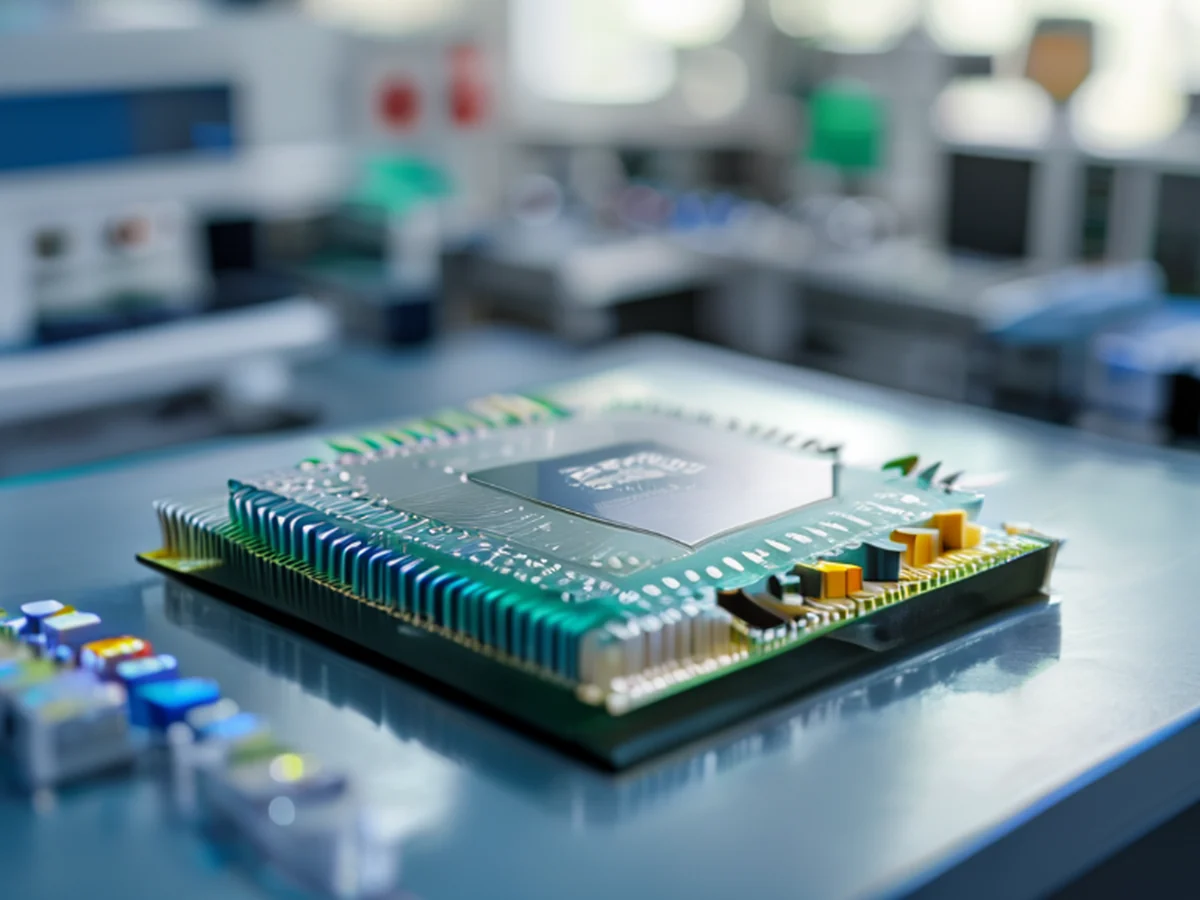
An engineer examines a microchip under a microscope, considering the massive infrastructure required for such precision. Analyzing Tata chip success requires looking at how they manage the tension between massive capital expenditure and the need for rapid innovation.
The Tata semiconductor growth model relies on a multi-layered approach involving heavy investment in human capital and physical infrastructure. They do not merely build factories; they build the scientific environments necessary to sustain them.
This is evident in their history of supporting institutions like TIGS to address complex scientific challenges.
By integrating these different layers, the group creates a self-sustaining cycle of research, acquisition, and implementation. This systemic approach differentiates them from companies that focus solely on manufacturing.
Is there a limit to this expansion strategy?

A manager looks at a spreadsheet, noting the high costs of entry in the semiconductor sector. One limitation of this strategy is that it requires immense liquidity and a very high tolerance for long-term research cycles that may not yield immediate returns.
While the group has successfully navigated diverse sectors, the semiconductor industry presents unique challenges in terms of geopolitical stability and extremely rapid obsolescence of hardware.
The success of their previous ventures, such as the Starbucks alliance or the Norwegian EV acquisition, does not guarantee that the semiconductor market will respond to the same collaborative mechanics.
The same subject is also called Tata chip business factors.
The same subject is also called Global partnership Tata chips.
This part also covers Tata business structure innovation.
Related








Comments 0