Redevelopment Trends: Why 700 km networks guide renewal
"The urban renewal process often struggles to balance the expansion of modern infrastructure with the preservation of the communities that originally built the neighborhood."
Successful 2026 redevelopment trends focus on adaptive reuse, environmental remediation of brownfield sites, and the integration of massive public utility networks to ensure long-term urban stability.
These projects are designed for developers and city planners looking to revitalize aging districts while managing the complexities of land contamination and community displacement.

Key takeaways include the importance of managing hazardous substances on-site, the necessity of large-scale infrastructure integration, and the social risks of rising property costs.
What will the major redevelopment trends of 2026 be?
At dawn, the planner traces a blueprint in the quiet office, feeling the rough texture of the paper as they study the upcoming redevelopment.
A planner stands over a blueprint, tracing the lines where old brick meets new steel. The current rep involves a shift toward sustainable redevelopment models that prioritize the existing fabric of a city rather than total demolition.
Instead of clearing entire blocks, developers are looking at how to repurpose structures to meet modern needs.
According to the US Environmental Protection Agency, a brownfield site is real property where expansion or redevelopment may be complicated by the potential presence of a hazardous substance, pollutant, or contaminant. Addressing these sites is a primary pillar of future urban renewal.
By cleaning these areas, cities can reclaim unusable land for productive use. This approach helps mitigate the environmental risks that previously stalled local growth.
How does adaptive reuse work in practice? 2026 Redevelopment Trends
An architect walks through a hollowed-out lobby, feeling the cool air of a transformed industrial space. This method of property development shifts the focus from new construction to the clever modification of existing buildings. It allows for character-driven growth that honors a city's history.
The Foundation Hotel in Detroit, Michigan serves as a notable example of this strategy. This adaptive reuse project was designed by the local firm McIntosh Poris Associates (MPA) in collaboration with the Simone Deary Design group.
I observed how such projects breathe life back into dormant districts without the carbon footprint of a total rebuild. Such strategic development approaches ensure that the aesthetic identity of a neighborhood remains intact while the utility of the space is modernized.
What infrastructure do I need for urban renewal?
A technician inspects a heavy-duty valve deep within a newly laid subterranean network. Massive urban renovation requires more than just new buildings; it demands a foundational overhaul of the city's life-support systems.
Without these connections, new developments cannot function or sustain high-density populations.
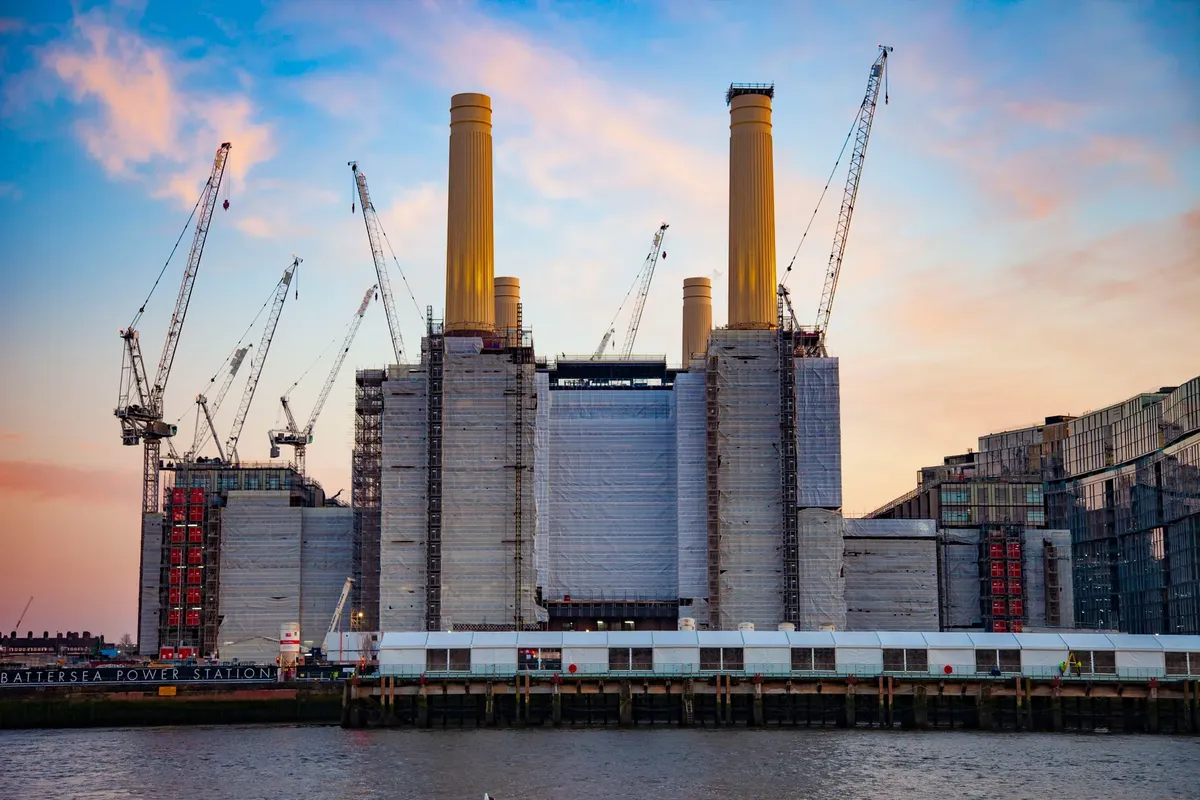
The scale of these projects is often immense, involving vast webs of connectivity. For example, a typical large-scale urban renovation involves 700 km of public networks for water supply, sanitation, drainage, electricity, gas, and telecom.
These projects may also include 5 km of tunnels, 70 km of roads, 650 km2 of sidewalks, 17 km of bike paths, 15,000 trees, and 3 plants for sanitation treatment. This level of coordination is essential for maintaining the stability of the modern urban environment.
What are the social risks of these projects?
A resident watches from a window as a new, high-priced apartment complex rises across the street. While physical renewal is often viewed as progress, the economic shifts can create unintended social consequences. Developers must account for the human element to avoid repeating historical mistakes.
Rising property values can lead to the displacement of established populations.
In 2016, the Portland Development Commission apologized after funds were directed into multimillion-dollar apartment projects, which caused increasing prices to force African-American and other low-income residents out of the market.
This serves as a reminder that economic success must be measured against social equity. Failure to manage these shifts can turn a revitalization effort into a local tragedy.
How can a redevelopment project be managed?
A project manager reviews a checklist under the bright lights of a construction trailer. To ensure a project moves from conception to completion without losing its way, a structured approach is necessary.
- Conduct a thorough site assessment to identify any contaminants or hazardous substances that define the property as a brownfield. 2. Integrate the new development into the existing public networks, including water, electricity, and telecom. 3. Implement a community impact strategy to mitigate the risk of displacing low-income residents due to rising costs.
I have seen that a final check of the budget against community needs is the most critical step. This ensures the project remains viable both financially and socially.
What are the limitations of urban renewal?
A surveyor marks a boundary line near a site that remains undeveloped due to soil concerns. Even with the best intentions, certain conditions can limit the scope of any revitalization attempt.

The presence of significant contaminants can restrict the types of reuse possible for a specific piece of land. According to the US Environmental Protection Agency, the presence of a hazardous substance or pollutant can complicate the expansion or redevelopment of a brownfield site.
| Project Component | Scale/Detail |
|---|---|
| Public Networks | 700 km |
| Sidewalks | 650 km2 |
- What will the major redevelopment trends of 2026 be?
- How does adaptive reuse work in practice?
- What infrastructure do I need for urban renewal?
The same subject is also called Real Estate Trends 2026.
The same subject is also called Project Success Factors.
This part also covers Strengthening Project Competitiveness.
Sustainable Redevelopment Models
Related


Comments 0